
Browse Items (9249 total)
Sort by:
GBN13
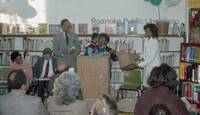
From left to right, the people at the front of the room, facing the crowd, are, Evelyn D. Bethel, Dr. John Kern, Alphonzo Holland, Sr., Ventriloquist Tammy Barnwell, and Branch Manager, Carla Lewis. Picture from Roanoke City Public Library’s 75th…
GBN14
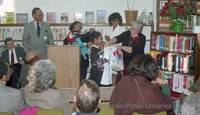
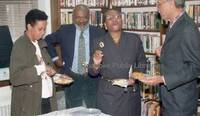
A small girl is being given a present by an unidentified woman. In the background, from right to left, there is Branch Manager, Carla Lewis, Ventriloquist Tammy Barnwell, Alphonzo Holland, Sr., and Dr. John Kern. Picture from Roanoke City Public…
GBN15
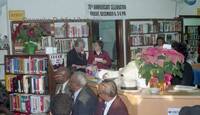
An unidentified group of people are gathered for Roanoke City Public Library’s 75th Anniversary Celebration at the Gainsboro Library, 6 December 1996. Banner for the event is pictured above the doorway to the staff area. Photographs by Bob Hale.
GBN16
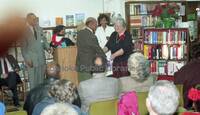
Unidentified women is presenting a gift to an unidentified man in the image. In the background, from right to left, there is Branch Manager, Carla Lewis, Ventriloquist Tammy Barnwell, Alphonzo Holland, Sr., and Dr. John Kern. Picture from Roanoke…
GBN17
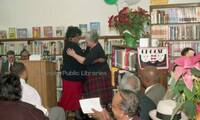
Marion B. Smith (left) hugging an unidentified woman. To the far left, Dr. John Kern is seated to the left of Alphonzo Holland, Sr. Picture from Roanoke City Public Library’s 75th Anniversary Celebration at the Gainsboro Library, 6 December 1996.…
GBN18
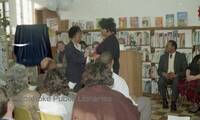
Marion B. Smith is speaking with Virginia Reeves in front of a crowd. The row of people sitting behind them include, from left to right, unidentified man, Evelyn D. Bethel, Dr. John Kern, Alphonzo Holland, Sr., assumedly Glenn Radcliffe, and an…
GBN19

Marion B. Smith is pinning something on an unidentified woman. Behind them, from left to right, is an unidentified man, Evelyn D. Bethel, Dr. John Kern, and Alphonzo Holland, Sr. Picture from Roanoke City Public Library’s 75th Anniversary Celebration…
GBN20

Branch Manager Carla Lewis shaking hands with her husband, Peter Lewis. Picture from Roanoke City Public Library’s 75th Anniversary Celebration at the Gainsboro Library, 6 December 1996. Photographs by Bob Hale.
GBN21
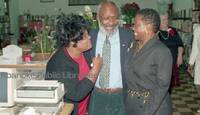
From left to right, Marion B. Smith, Peter Lewis, and an unidentified woman stand for a group picture. Picture from Roanoke City Public Library’s 75th Anniversary Celebration at the Gainsboro Library, 6 December 1996. Photographs by Bob Hale.
GBN22
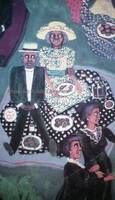
This photo appears to be a picture of a painting. There is a woman and a man on a picnic blanket, and two other women toward the bottom of the image. All of the people in the scene are looking off to the right of the image.
GBN23

A man is standing with his back to the camera in a light gray suit. The people facing the camera, from left to right, are Alphonzo Holland, Sr., Ventriloquist Tammy Barnwell, Branch Manager Carla Lewis, and two unidentified women. Picture from…
GBN24
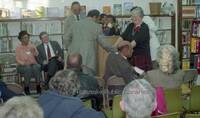
An unidentified man and an unidentified woman speak to one another in front of the podium, before the crowd. In the background, from left to right, there is Evelyn D. Bethel, Dr. John Kern, Alphonzo Holland, Sr., Ventriloquist Tammy Barnwell, and…
GBN25

An unidentified woman hands a present to Reverend E. T. Burton. On the left side of the image, Alphonzo Holland, Sr. and Ventriloquist Tammy Barnwell stand by the podium. Picture from Roanoke City Public Library’s 75th Anniversary Celebration at the…
GBN26
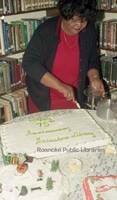
Marion B. Smith cuts a large sheet cake that says, “Happy 75th Anniversary Gainsboro Library.” Picture from Roanoke City Public Library’s 75th Anniversary Celebration at the Gainsboro Library, 6 December 1996. Photographs by Bob Hale.
GBN27

Most likely a photograph taken by mistake. An unidentified person stands in front of the camera. Marion B. Smith can be seen in the corner. Picture from Roanoke City Public Library’s 75th Anniversary Celebration at the Gainsboro Library, 6 December…
GBN28
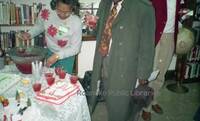
Three unidentified people stand by a table with a punch bowl, and a small cake that reads, “Happy Birthday Gainsboro 75th Library.” Picture from Roanoke City Public Library’s 75th Anniversary Celebration at the Gainsboro Library, 6 December 1996.…
GBN29
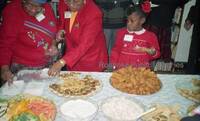
Two women and a small girl stand in front of a table with several catering trays on top of it. Picture from Roanoke City Public Library’s 75th Anniversary Celebration at the Gainsboro Library, 6 December 1996. Photographs by Bob Hale.
GBN30
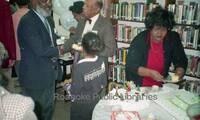
Marion B. Smith leans over a table, holding a piece of cake. Peter Lewis, in a navy sports coat, can be seen to the left of the image. Several other unidentified people can be seen in the image. Picture from Roanoke City Public Library’s 75th…
GBN31
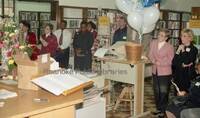
A group of unidentified people stand while assumedly listening to a presentation. Beverly James, City Librarian, is in the pink sweater to the right of the image, next to the display of balloons. Picture from Roanoke City Public Library’s 75th…
GBN32
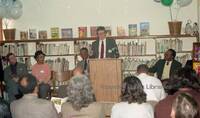
Dr. John Kern stands at the podium, speaking at the Gainsboro Branch Library. There is a row of people sitting behind him, including, from left to right, an unidentified man, Evelyn D. Bethel, Alphonzo Holland, Sr., and who is assumedly Glenn…
GBN33

Marion B. Smith is standing behind the circulation desk at the Gainsboro Branch Library helping Ms. Graves and a small girl. Beverly James, City Librarian, can be seen to the right of the image, in a pink sweater, next to a display of balloons.…
GBN34

Evelyn D. Bethel stands at the podium, speaking at the Gainsboro Branch Library. There is a row of people sitting behind her, including, from left to right, an unidentified man, Dr. John Kern, Alphonzo Holland, Sr., and, assumedly, Glenn Radcliffe.…
GBN35

Dr. Walter Claytor is pictured standing against the circulation desk at the Gainsboro Branch Library. Picture from Roanoke City Public Library’s 75th Anniversary Celebration at the Gainsboro Library, 6 December 1996. Photographs by Bob Hale.
GBN36
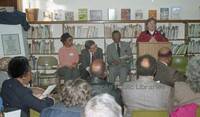
An unidentified woman is standing at the podium, speaking to an audience gathered at the Gainsboro Branch Library. From left to right, there are three other people sitting behind her, Evelyn D. Bethel, Dr. John Kern, and Alphonzo Holland, Sr. The…
GBN37

An unidentified man is standing at the podium, speaking to an audience gathered at the Gainsboro Branch Library. From left to right, there are three other people sitting behind him, Evelyn D. Bethel, Dr. John Kern, and Alphonzo Holland, Sr. Picture…
GBN38
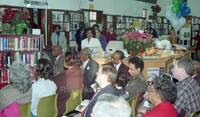
Branch Manager Carla Lewis is sitting at the circulation desk at the Gainsboro Branch Library. Numerous other unidentified people are sitting in the crowd for the celebration. Picture from Roanoke City Public Library’s 75th Anniversary Celebration at…
GBN39

This picture captures some of the audience members of the 75th Anniversary Celebration. Dr. Walter Claytor is sitting third from left in the front row, in the black sports coat. Peter Lewis is standing in the background with a light blue shirt and…
GBN40
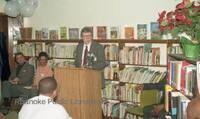
Dr. John Kern stands at the podium, speaking at the Gainsboro Branch Library. There is a row of people sitting behind him, including, from left to right, an unidentified man and Evelyn D. Bethel. Picture from Roanoke City Public Library’s 75th…
GBN41

Three women are pictured speaking to one another. From left to right, there is an unidentified woman, Beverly James, City Librarian, and Ms. Graves. Picture from Roanoke City Public Library’s 75th Anniversary Celebration at the Gainsboro Library, 6…
GBN42
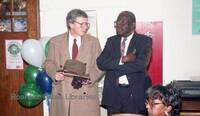
Dr. John Kern, left, speaking to an unidentified man at the Gainsboro Branch Library. Picture from Roanoke City Public Library’s 75th Anniversary Celebration at the Gainsboro Library, 6 December 1996. Photographs by Bob Hale.
GBN43
A group of four people at the 75th Anniversary celebration. From left to right, Ms. Graves, Peter Lewis, an unidentified woman, and Dr. Walter Claytor. Picture from Roanoke City Public Library’s 75th Anniversary Celebration at the Gainsboro Library,…
GBN44

A group of unidentified people seated for the 75th Anniversary Celebration at the Gainsboro Branch Library. Picture from Roanoke City Public Library’s 75th Anniversary Celebration at the Gainsboro Library, 6 December 1996. Photographs by Bob Hale.
GBN45

Two balloon decorations set up outside of the Gainsboro Branch Library. The balloons have writing on them (assumedly for the 75th Anniversary) and the Mill Mountain Star.
GBN46

Streetscape image of the Gainsboro Branch Library. Photo assumedly taken from Patton Avenue on the west side of Gainsboro Road. Picture is assumedly from the Gainsboro Road Expansion Project.
GBOV01

Unknown man. Donated by the Gainsboro Family YMCA in 2012.
GBOV01
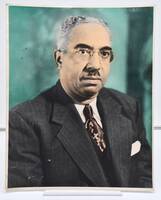
Portrait of Dr. F.W. Claytor. Donated by the Gainsboro Family YMCA in 2012.
GBOV02

Mr. Roscoe R. Banks. First YMCA Member, Past Chairman of the Board of Members, Elected Honorary Board Member William A. Hunton Branch YMCA, Roanoke, VA. 1927-1956. Photographer: Clark Studio. Donated by the Gainsboro Family YMCA in 2012.
GBOV02
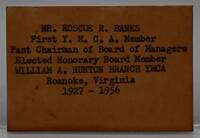
Mr. Roscoe R. Banks. First YMCA Member, Past Chairman of the Board of Members, Elected Honorary Board Member William A. Hunton Branch YMCA, Roanoke, VA. 1927-1956.
GBOV03-GBOV03.01
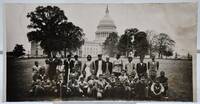
Harrison School Trip to Washington D.C.
GBOV03.01

Harrison School Trip to Washington D. C. May 1950.
GBOV03.02

Harrison School Trip to Washington D. C. May 1950.
GBOV04

William A. Hunton Branch YMCA.
GBOV04
William A. Hunton Branch YMCA.
GBOV05
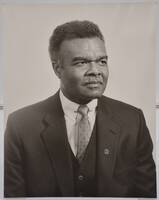
Perry Thomas Keeling, Sr. Boys' Work Secretary. 1955-1956, Executive Director: 1957-1990, the YMCA of Roanoke Valley Family Center Branch.
GBOV06

Virginia State Graduating Class of 1914. Mattie Bell (Morris) was later a teacher at Gainsboro School.
GBOV07

Photograph of a young Virginia Y. Lee. She is seated in this sepia toned image.
General 1948

The General was the annual for Lee Junior High School.
General 1949

The General was the annual of Lee Junior High School.
General 1950

The General was the annual for Lee Junior High School.
General 1951

The General was the annual for Lee Junior High School.
General 1952

The General was the annual for Lee Junior High School.
General 1953

The General was the annual of Lee Junior High School.
General 1955-1956

The General was the annual of Lee Junior High School.
General 1956-1957

The General was the annual of Lee Junior High School.
General 1957-1958

The General was the annual of Lee Junior High School.
General 1959

The General was the annual of Lee Junior High School.
General 1960

The General is the annual for Lee Junior High School.
General 1961

The General was the annual for Lee Junior High School.
General 1962

The General was the annual for Lee Junior High School.
General 1964

The General was the annual of Lee Junior High School.
General 1965

The General was the annual for Lee Junior High School.
General 1966

The General was the annual for Lee Junior High School.
General 1967

The General was the annual for Lee Junior High School.
General 1970

The General was the annual of Lee Junior High School.
GM001 Glenn-Minnich

The Glenn-Minnich store, formerly located at 108 W. Campbell Avenue, on closing day. Glenn-Minnich operated from 1913 until 1960 and was founded by C.B. Minnich, Myrl Glenn, and H.A. Glenn.
GM002 Glenn-Minnich

Cutting a cake celebrating Glenn-Minnich's Rub Jubilee or forty years in business are, left to right, Estelle Penn, Nancy P. Deyerle, LeCompte Glenn Deyerle, unidentified, and Mildred Glenn.
GM003 Glenn-Minnich

The Boy Scout Department after a recent remodel at Glenn-Minnich, formerly located 108 W. Campbell Avenue.
GM004 Glenn-Minnich

Interior of Glenn-Minnich after a recent remodel.
GM005 Glenn-Minnich

The College Shop in Glenn-Minnich shown after a recent remodel.
GM006 Glenn-Minnich

Interior of Glenn-Minnich after a recent remodel.
GM007 Glenn-Minnich

Interior of Glenn-Minnich after a recent remodel.
GM008 Glenn-Minnich

Amy Jo Glenn (left) and Vetty Beckwith Glenn cutting cake inside Glenn-Minnich on the occasion of the store's Ruby Jubilee or fortieth anniversary.
GM009 Glenn-Minnich

Street-level entrance of Glenn-Minnich, formerly located at 108 W. Campbell Avenue.
GM010 Glenn-Minnich

The shoe department at Glenn-Minnich.
GM011 Glenn-Minnich

LeCompte Glenn in front of Glenn-Minnich, formerly located at 108 W. Campbell Avenue.
GM012 Glenn-Minnich

Window display of Glenn-Minnich after remodeling. The slogans of the store were, "The store with the friendly door." and "Clothes for men and men who stay young."
Grandin Court Elementary School 1976

1976 annual for Grandin Court Elementary School.
Grandin Court Elementary School 1978

1978 annual for Grandin Court Elementary School.
Headlight
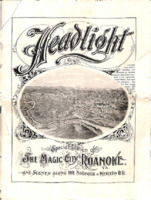
Headlight is a special edition periodical featuring Roanoke and scenes along the Norfolk & Western Railroad.
Henry S. Trout

Date of Birth: October 15, 1841
Mayor from July 1, 1892 to June 30, 1894
Other offices held: Virginia House of Delegates, December 5, 1877 to December 3, 1879; Senator, Virginia's 4th District, December 5, 1883 to December 8, 1887; City Council,…
Mayor from July 1, 1892 to June 30, 1894
Other offices held: Virginia House of Delegates, December 5, 1877 to December 3, 1879; Senator, Virginia's 4th District, December 5, 1883 to December 8, 1887; City Council,…
Historic Garden Week in Virginia Homes Index

An index to homes from Roanoke, Salem, and the surrounding areas profiled in Historic Garden Week in Virginia, 1938-2010.
HNWR001
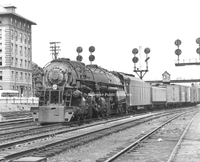
Locomotive No. 1219 arrives in Roanoke. The Class A was considered to be one of the "Magnificent Three" designs developed by a Norfolk & Western team headed by J.A. Pitcher, G.P. McGavok, and C.H. Faris. The Class A would break all previous…
HNWR002
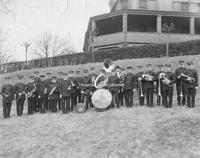
Amongst the clerks, boilermakers, carpenters, mechanics, and engineers were a slew of instrumentalists, singers, song writers, and composers. Together, they formed the Roanoke Shop Band. Here the band stands on the grounds of the Hotel Roanoke. …
HNWR003
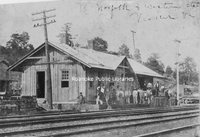
The carpenter crew has almost completed work on the station at Vicker, Virginia in this photo. Carpenters built everything from depots to boxcars and cabooses, to the finished interiors of passenger coaches.
HNWR004
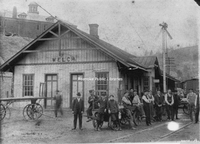
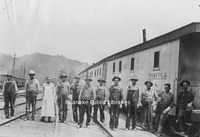
This photograph captures the station and crew at Welch, West Virginia. It is believed that the building in the background is the courthouse. Notice the freight car to the left.
HNWR005
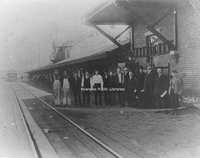
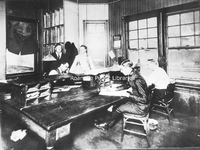
Here is the Old Yard Office located upstairs from the N&W Passenger Station at Radford. Pictured from right to left are Zince, Stump, E.E. Allen, Lawrence Allen, Louis Lucas, Horace Price, Tom Heslep, H.A. Hall, J.C. Turner, O.C. Charlton, J.H.…
HNWR006
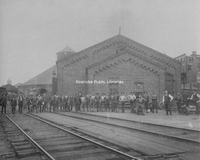
Employees at the N&W roundhouse in Lynchburg. While Lynchburg served as the divisional point for the N&W during its first few years, increased coal and ore traffic caused the N&W to move its divisional points farther west in 1888.
HNWR007
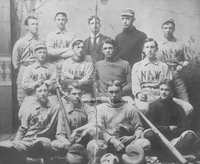
Working for the railroad was not always about work. Here is the 1895 N&W General Office Building Baseball Team. Team members are from left to right: (front row) ? Coleman, Winfree Reed, Max Howe, and G.F. Butler; (middle row) Harry Moore, Garnet…
HNWR008
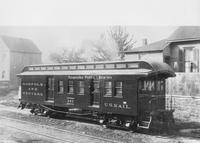
An early N&W mail car. The N&W purchased the car, which was built in 1892. Railroads were a popular and effective way to distribute mail around the country. Clerks aboard the cars would actually cancel the letters en route with the initials RPO,…
HNWR009
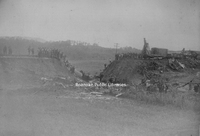
On July 2, 1889, a night storm swelled Wolf Creek near Thaxton, Virginia, which rose out of its banks just as passenger train No. 2 was crossing. The situation became N&W's first major disaster. There was only one survivor, trainmaster James…
HNWR010
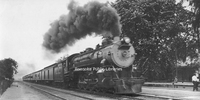
An N&W passenger train speeds between Roanoke and Christiansburg, Virginia. The N&W provided extensive passenger service through southwestern and southeastern Virginia, the Shenandoah Valley, West Virginia, and into parts of North Carolina. With…
HNWR011
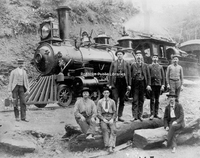
This photograph of the crew of Engine No. 82 was taken when Goodwin, West Virginia was a western terminus. The engine was standing on the Wye track. Crew members are S.D. Clowers, engineer; R.S. Brown, engineer; James Emmons, fireman; George…
HNWR012
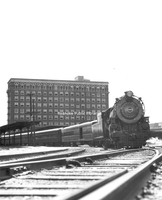
Engine No. 500 pulls out of Norfolk with the Pocahontas. The Pocahontas' maiden run occurred on November 21, 1926, when she ran between Norfolk and Columbus, Ohio. That run replaced the former "Norfolk-Chicago Express".
HNWR013
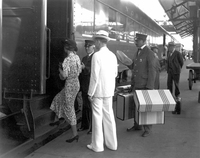
Passengers board an N&W coach. Passenger service when into a steep decline after the mid-1940s. In 1946, for example, the N&W carried 3.4 million passengers. By 1950, that figure was about 900,000. The automobile was taking its toll on the…
HNWR014
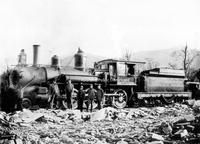
The crew of Engine No. 102, shortly after the engine was taken over by the N&W, included Conductor Lawrence Boyles, Engineer George Agee, Fireman Harley Pugh, and Brakeman Jesse Honaker and R.C. Warden.
HNWR016
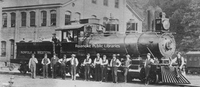
This photograph captures a proud moment in the development of the N&W. Rolled out from the shop is the first locomotive built by Roanoke Machine Works. Roanoke Machine Works would later become the N&W Roanoke Shops. The engine is a Class I.
HNWR019
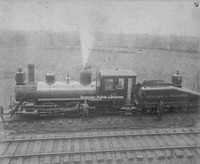
This photograph was taken at east Radford coal wharf. It depicts Engine No. 138 and crew. Mr. Akers, engineer; Charlie Roby, fireman; Mr. Allen and Mr. Adkins.
HNWR020
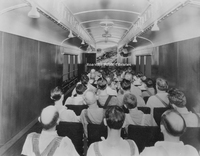
Rail workers watch a safety film inside the N&W's motion picture car.
HNWR021
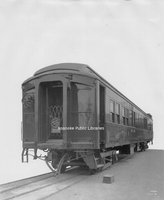
In the late 1920s, the N&W developed a new strategy in rail safety education - the motion picture car. Carrying the "Safety First" logo, the car traveled various rail lines of the N&W as a mobile classroom for the purpose of providing safety…
HNWR022
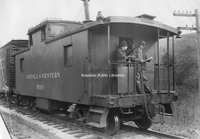
The caboose functioned in may was as the train's office. Often train orders and other paperwork were handled aboard the caboose, which come on the scene in the late 1800s to serve as living quarters as well as an office for the crew. With the…
HNWR023
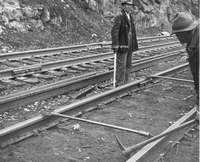
A foreman gauges track to make certain the distance between the rails is exactly 4 feet, 8 inches. In 1883, the N&W operated primarily on a 5-foot gauge; however, on June 1, 1886, the N&W and other southern railroads adopted the now-standard gauge…
HNWR024
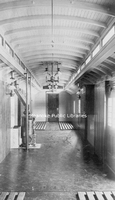
This photograph shows the interior of a 52-foot long baggage and express car built in 1892. Notice the hanging oil lamp and stove at the mid-point.
HNWR025
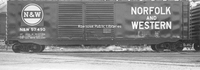
Commonly called the "boxcar", this particular model was used by N&W in 1960. The small numbers along the side under the logo indicated its hauling capacity, weight and load limits, measurements, when it was built, and when it was most recently…
HNWR026
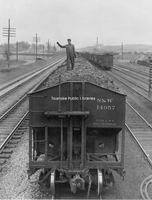
A hopper with coal is ready to go. 1970 was the peak for N&W coal traffic, when the railway carried 90.6 million tons of coal. While coal was profitable, it was not always a source of revenue. Floods, miner strikes, and other labor disputes cut…
HNWR028
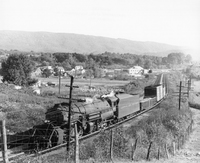
Engine No. 2165 is northbound near Waynesboro, Virginia, hauling a small but varied freight load.
HNWR029
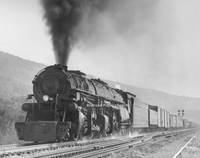
A freight train pulled by Engine No. 1228 moves eastbound near Bonsack.
HNWR030
Locomotive No. 1212 pulls a load in a scene of the past: a steam engine at work. The N&W was the last major American railroad to abandon the steam engine in favor of the diesel engine. The designers and engineers of the N&W developed the steam…
HNWR031
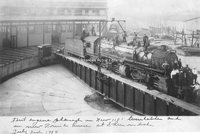
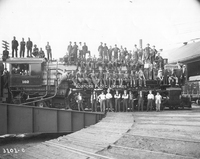
Engine No. 1442 is placed on the new 115-foot turntable and in the new roundhouse of the Shenandoah Division. For this moment, the men of the roundhouse take a break to pose in recognition of achievement.
HNWR032
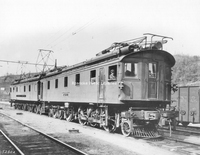
Electric engines acquired by the N&W were from Baldwin-Westinghouse. There were 16 locomotives in all. The system, including overhead catenary wires and a generating plant, was completed in 1916. Engine No. 2506 makes the Bluefield run. In 1950,…
HNWR033
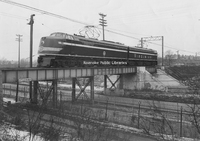
This electric locomotive, Engine No. 126, was from the Virginian Railway. The Virginian was formed by Henry Rogers for $30 million in 1907. Having made his fortune in oil, Rogers died a month after the Virginian was officially formed and his…
HNWR034
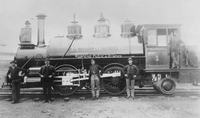
Engine No. 1 was the switching locomotive used at the Roanoke Machine Works (later Roanoke Shops) in 1886. Standing in the cab of the engine is H.S. German. Others, from left, are Brakemen W.H. Hall and W.W. Rule, Engineer Paul DeArmond, and…
HNWR035
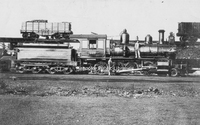
Engine No. 345 was the first compound engine owned by N&W. This photograph was taken at Crewe, Virginia. Crew members include A.D. Lane, engineer, and Julian Hark, fireman.
HNWR036
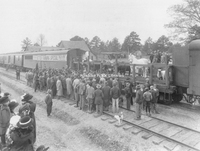
During the first part of the 20th Century, N&W tried to cultivate agricultural products and freight as possible revenue. Rail agents often advertised farmland near N&W depots to encourage such activity. Here a "farm train" stops as men gather…
HNWR037
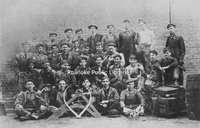
The railroad employed a number of young boys to serve as apprentices during the advent of child labor laws. This photograph shows the Roanoke Shops machinist apprentices. A young apprentice would work a 10 hour day and often overtime on weekends. …
HNWR038
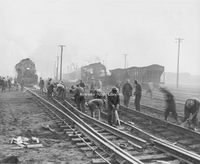
This photograph shows track crews at work along the N&W line. Track laying and maintenance was an awesome undertaking, given the thousands of miles of track owned and operated by N&W. Only in the middle part of the 20th Century did track work…
HNWR039
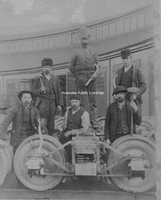
Unidentified employees at the Roanoke roundhouse pose with locomotive wheels. Notice the various tools each is holding, which suggest the different types of work done at the roundhouse.
HNWR040
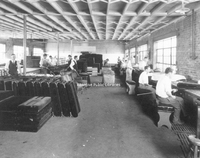
N&W employed a wide variety of skilled laborers. In this photograph, upholsterers in the Roanoke Shops prepare seats for passenger coaches. In addition to outfitting trains, the upholstery shop also fitted office furniture and some items for the…
HNWR041
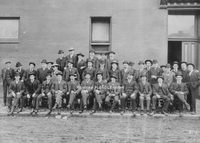
Roanoke Boiler Shop employees at the corner of Salem Avenue and Commerce Street. Pictured from left to right (front row): Frank Bianchi, T.D Equi, John Griffin, P.E. Lawhorn, F.H. Wigmore, George Leisinger, T.J. Murray, James Conway, Edward Irvin,…
HNWR042
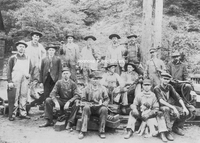
Carpenter Force No. 1, Pocahontas Division at Richlands, Virginia. From left are R.L. Sorah, J.A. Dye, Dayton Henderson, O.J. Lawson, R.L. Maxwell, J.D. Farmer, T.R. Stinson, S.T. Sparks, G.W. Petts, E.W. Clay, A.G. Quillen, R.H. Honaker. Notice…
HNWR043
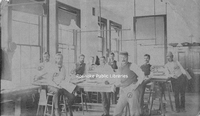
Drawing room employees in the N&W office building. Pictured from left are: John Worthington, Charles Jacobsen, James Woods, Fred Scuiffer, two unidentified, George Worthington, Otis Bellingrodh, Servelius Bisphan.
HNWR044
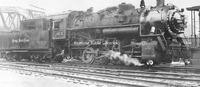
This history of the Nickel Plate Railroad is an amassment of histories from other lines, such as Lake Erie and Western, Clover Leaf, and the Wheeling and Lake Erie. The Nickel Plate was officially the New York, Chicago, and St. Louis Railroad…
HNWR045
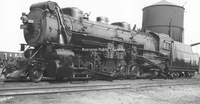
Like many railroads, the lines of the Wabash Railway Company predated the company's formation in 1877. The history of the Wabash is long and complicated, involving certain dubious personalities, mergers, receiverships, and a wavering bottom line. …
HNWR046
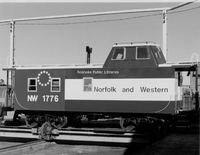
In addition to Engine No. 1776, N&W also had painted certain cars within their rolling stock to highlight the Bicentennial. Here a caboose wears the nation's colors.
HNWR048
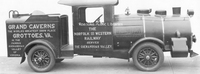
Public relations was not always left to copy editors and high-ranking N&W officials. This photograph shows a "train" built by the men at the Roanoke Shops for advertising purposes.
HNWR049
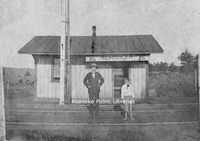
The station at Schooler, Virginia was operated by W.H. Cord (left). The small station operated from March 1883, when coal first began to move from Pocahontas to Norfolk, until 1900 when the station was bypassed by new track. The young man in the…
HNWR050
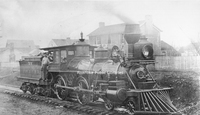
Locomotive No. 37 was used in 1871 when the South Side, Norfolk and Petersburg, and Virginia and Tennessee Railroads were consolidated, forming the Atlantic, Mississippi and Ohio Railroad. The AM&O was the forerunner of N&W.
HNWR051
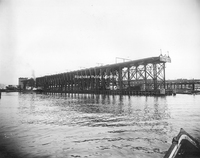
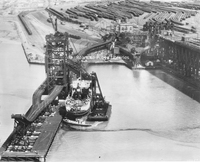
Coal Pier 4 at Lamberts Point. The pier served N&W for nearly half a century.
HNWR052
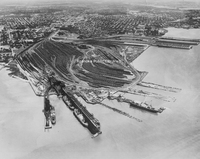
This aerial view shows the N&W coal piers at Lamberts Point. Coal Pier 4 (center) was built in 1914. At the time of its initial construction, the pier was 1,200 feet long, 70 feet wide, and 90 feet above the water. It could empty 600 cars per day.…
HNWR053
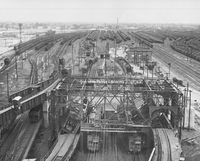
At Coal Pier 4 at Norfolk, hoppers are dumped into pier cars which carry coal to the loading shutes. In the background is a portion of N&W's 12,000 car classification and storage yards.
HNWR054
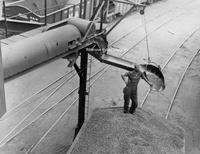
Coal quickly became N&W's leading freight commodity. Here an employee loads an N&W hopper with coal.
HNWR055
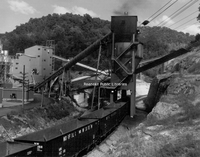
N&W hoppers at a West Virginia coal tipple are loaded for their eastbound trip to Lamberts Point near Norfolk. In 1883, N&W moved nearly 106,000 tons of coal. A century later, N&W moved 75 million tons annually.
HNWR056
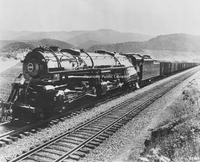
Engine No. 1200. As part of the Class A engines, No. 1200 was the first to be built by N&W between 1936 and 1950. Maximum horsepower was 6,300 at 45 miles per hour.
HNWR057
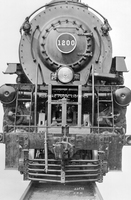
Front view of Engine No. 1200, a Class A built in 1936.
HNWR058
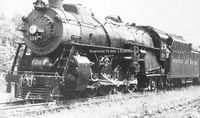
Engine No. 114 was a member of the K-1 Class of N&W locomotives. This class of engine, numbering 100 to 115, was built between 1916 and 1917. The Class K engines were built to pull more weight since new steel passenger cars were replacing those…
HNWR059
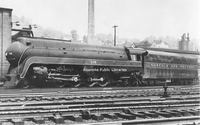
The sleek, Class K-2, Engine No. 118 was acquired by N&W in 1919. These engines, numbering 116 through 125, were rebuilt later and streamlined by N&W.
HNWR060
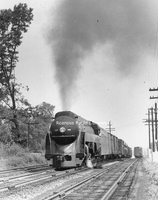
Steam Engine No. 130, a Class K-2A locomotive.
HNWR061
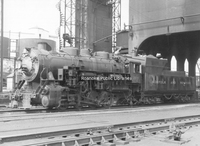
Engine No. 209.
HNWR062
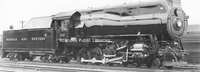
The Class M Engine No. 1112 was built in 1910. Their purchase was almost solely in response to the increased demands for hauling coal.
HNWR063
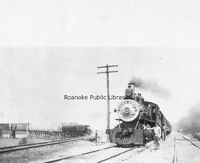
Engine No. 37 was a Class N, as were all engines numbered 28 through 37. These engines, purchased by N&W, were made between 1887 and 1888. This photograph was taken at Wakefield, Ohio.
HNWR064
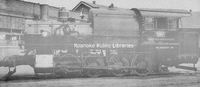
Engine No. 76 was a Class U engine. On the N&W line, these engines were numbered 71 through 85.
HNWR065
Engine No. 800 was an N&W Class W-6. These engines, numbered 800 through 814, were made between 1898 and 1899.
HNWR066
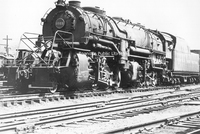
Engine No. 2023 was a Class Y-3 locomotive. This was one of 50 built between 1919 and 1923.
HNWR067
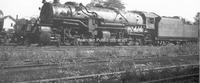
The Class Y-3A engines included No. 2058. These engines, numbering 2050 through 2079, were built in 1923. This photograph was taken in Cincinnati.
HNWR068
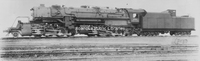
The Class Y-4 engines were developed by N&W in 1927. Only 10 were produced, with Engine No. 2087 among them.
HNWR069
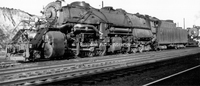
In an effort to heavier freight, N&W developed the Y-6 locomotive. While retaining many of the design elements of the previous Y models, the Y-6 had a new steel frame, roller bearings, and mechanical lubrication at 213 points. A peak horsepower of…
HNWR070
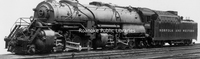
Engine No. 2156
HNWR071
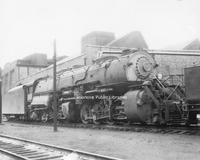
Between 1948 and 1952, 30 Class Y-6B engines were produced by N&W. Engine No. 2200, the last of the Y-6Bs, is shown here at Roanoke.
HNWR072
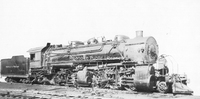
Engine No. 1438 was one of many Class Z-1A engines used by N&W. This particular engine was built in January 1916 in Schenectady, New York. These engines, numbered 1315 through 1438, were built between 1912 and 1917. A number of them were purchased…
HNWr073
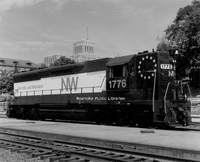
To join the celebration of the nation's bicentennial, N&W painted this diesel locomotive red, white, and blue. The engine's number was appropriately 1776.
HNWR074
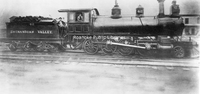
The Shenandoah Valley Railroad operated a 239-mile line from Hagerstown, Maryland to Roanoke, Virginia, which was completed in 1883. Norfolk & Western purchased the railroad in 1890. The Shenandoah Valley's president, Fredercik Kimball, would…
HNWR075
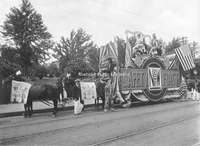
Union Local 440 entered this "Safety First" float in a Roanoke parade. It testifies to the cooperation by rail unions and officials to improve worker safety.
HNWR076
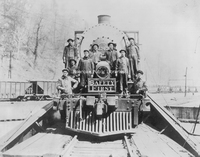
Safety became a paramount concern of the railroad. Pictured is the Eckman Shop Safety Committee on Engine No. 1343. In 1893, Congress passed the Railroad Safety Appliance Act and in 1916, rail employees won Congressional approval for an 8-hour work…
HNWR077
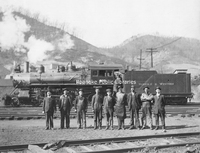
The shop gang of the Portsmouth (Ohio) Shop pose in front of Engine No. 600. In 1901, N&W purchased the Cincinnati, Portsmouth, and Virginia Railroad for $2.5 million. Portsmouth would become a major location in the future operations of N&W.
HNWR078
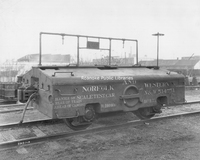
Some "cars" were used for necessary tests to properly maintain a railroad track. One example is the Scaletest Car in this photograph. The car was used to test the scales on the N&W system that weighed the rolling stock. Instructions on the car…
HNWR079
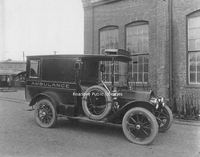
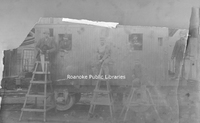
This N&W ambulance from the 1920s signifies the hazards of being a rail worker. In fact, N&W financed the hospital in Roanoke for its first two years of operation so rail families could get necessary medical services.
HNWR080
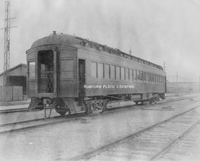
Passenger coaches went through numerous stages of development. From wood to steel construction, and from basic amenities to luxurious accomodations, the coach was designed for both comfort and safety. This is an early passenger coach used by N&W.
HNWR081
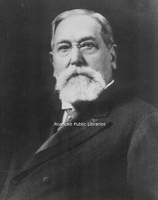
Henry Fink, president of N&W from 1895 until 1902, was the chief operating officer for Mahone's AM&O Railroad. A life-long bachelor, Fink had immigrated to the United States with his brother in 1851 and became a railroad engineer four years later. …
HNWR082
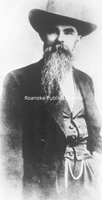
General William Mahone served as the president of the AM&O Railroad for its 10-year existence. Gen. Mahone first gained attention during the Civil War as a field commander, notorious for his unorthodox battle antics. Following the war, Mahone…
HNWR083
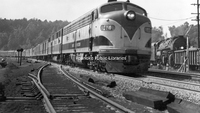
The Pocahontas moves east through Blue Ridge, Virginia pulled by Diesel No. 1014. The engine, though bearing the N&W name, was a diesel originally belonging to the Richmond, Fredericksburg, and Potomac. By the late 1950s, as the N&W was…
HNWR084
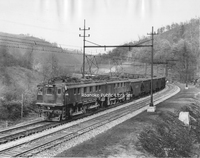
Electric engines were developed in 1914 so crews could safely navigate the tunnel at Coldale, West Virginia. Slow-moving steam engines choked the badly ventilated tunnel to the detriment of the crew's health. The electrified line ran between…
HNWR085
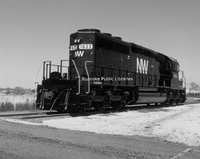
Diesel Engine No. 1633, photographed shortly after being built. Notice the railroad's last corporate logo, the more streamlined "NW". The white-on-black design was introduced by John Fishwick when he was the railroad's president in 1971.
HNWR086
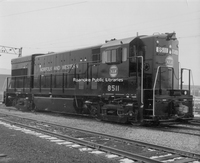
Diesel engines could operate more efficiently than the steam engine and American railroads were quick to make the switch. Between 1941 and 1955, the number of diesel locomotives in use went from 1,200 to 20,000. Pictured is Engine No. 8511.
HNWR087
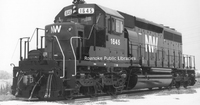
The diesel engine was developed in 1890 by Rudolph Diesel. The Central Railroad of New Jersey was the first to use a diesel locomotive in 1925. It was not until 1955 that N&W began to order diesel locomotives, primarily from American Locomotive…
HNWR088
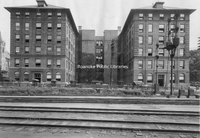
After the first N&W office building burned in 1896, this building took its place. Constructed on the same location as the old, one section was completed in 1896 and the other in 1907. The building is now used for upscale apartments.
HNWR089
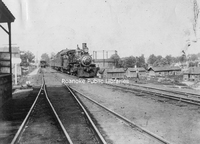
Passenger locomotive No. 29 pulls into the Winston-Salem yard in 1890. This train may have been operating on the former Roanoke and Southern track that was absorbed into the operations of N&W in 1892.
HNWR090
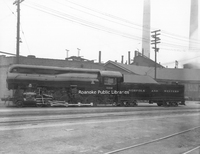
Engine No. 1100, a Class M-2, was one of a number of engines purchased by N&W in 1910. The Class M, as rebuilt, had a 4-8-0 wheel alignment, allowing it to meet the freight demands of the railroad.
HNWR091
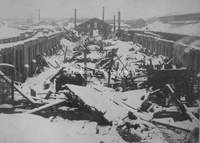
Given the hazards of early railroading, even Mother Nature did not cooperate at times. This image shows a collapsed car shop in Roanoke, a result of a heavy snow storm in 1890.
HNWR093
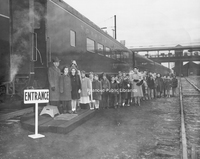
A school group lines up to board the Powhatan Arrow. The name of the train was the result of a contest conducted by N&W, wherein 140,000 entries were submitted. The winner of the $500 first place prize was an N&W retiree, Leonard A. Scott.
HNWR094
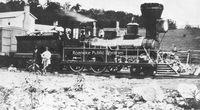
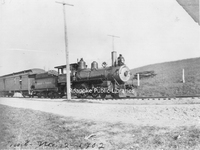
Virginia and Tennessee Railroad named rather than numbered their locomotives. This locomotive was Roanoke. Chartered in 1849 and completed in 1856, the V&T ran from Lynchburg to Bristol and later merged with the AM&O.
HNWR095
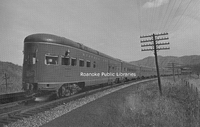
The Powhatan Arrow boasted the finest passenger service amenities when introduced, including a tavern-lounge car. Here the Arrow moves from Roanoke to Bluefield and was photographed at Singer, Virginia. The round-end tavern car, No. 581, allowed…
HNWR096
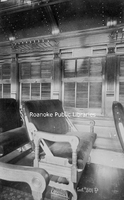
Called a "vestibule car", this interior shot shows passenger seating in an 1892 coach. Notice the window shutters, ornate interior design, and fold-down seats. Despite its comfortable feel, early trains of this era were unsafe and not that pleasant…
HNWR097
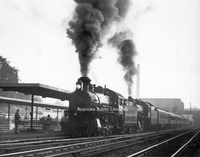
Engine No. 475 steams out of Roanoke. In 1946, the year considered to be the beginning of N&W's modern passenger service, an average ridership per train was 118. By 1971, when N&W discontinued passenger trains, the number had dropped to less than…
HNWR098
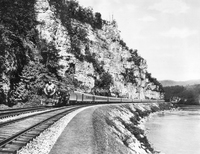
The Pocahontas traveling along the New River. This route was the most spectacular and difficult. After leaving the New River Valley, The Arrow climbed abruptly to Bluefield and then downhill along the Tug River at Williamson.
HNWR099
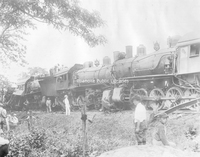
This head-on collision occurred at Rippon, Virginia. Engine No. 481 is at left.
HNWR100
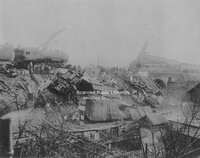
A closer view of the Thaxton wreck shows the debris pile. Engineer Pat Donovan's body was so badly mangled he was only identified by his clothing. The entire woodwork of the train was burned due to exploding gas lights in the coaches. Seven cars…
HNWR101
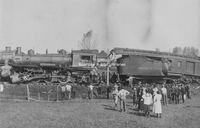
Engines No. 14 and No. 37 collided at Rural Retreat. Note the collapsed front half of the first baggage coach. While engines could often withstand collisions, the wood-constructed baggage and passenger coaches were extremely vulnerable.
HNWR102
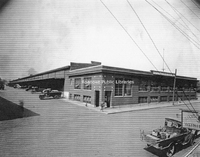
One of the largest freight depots along the N&W line was in Roanoke. Today, the freight depot is home to the Virginia Museum of Transporation, wherein are housed many N&W artifacts and archival material, as well as some steam engines in the outdoor…
HNWR104
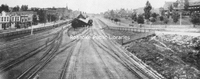
This view shows the early Roanoke passenger station (center),the N&W office building (center right), and the Hotel Roanoke (right).
HNWR105
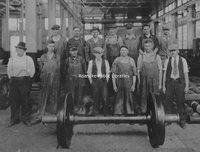
"Roanoke Wheel Shop 1927" is stamped on the axel of the car wheel displayed by the men of the wheel shop. Individuals unidentified.
HNWR107
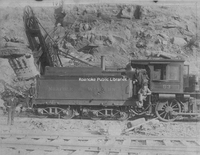
Engine No. 53 and her crew excavate for new track near Bluefield, West Virginia. N&W pioneered and financed early coal production in the mountains of West Virginia and carved the rail beds that allowed the "black gold" to move east.
HNWR108
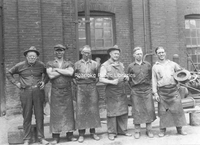
The blacksmith gang at the Bluefield Shops. Blacksmithing was rugged and often dangerous work, but a necessary trade to make the railroad operate. Individuals unidentified.
HNWR109
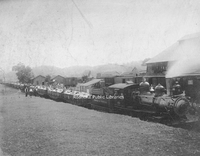
Freight Engine No. 173 of the Radford Yard is depicted at a Radford pipe shop.
HNWR110
Employees of Roanoke Machine Works build a caboose. They are, left to right: W.E. Meadows, Ted Swain, William Patterson, R.L. Daddow, R.L. Funk, and T.S. Jones.
HNWR111
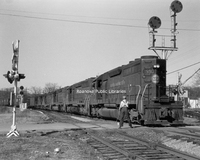
Diesel Engine No. 1590 passes through Buena Vista, Virginia. Notice the train order raised to be grabbed by the engineer as the train passes.
HNWR112
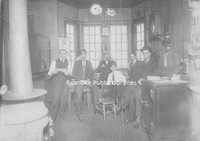
This is an unidentified station office. Pictured left to right are: C.E. Moore, C.C. McPherson, W.L. Bingham, Harvey Call, and W.G. Light.
HNWR113
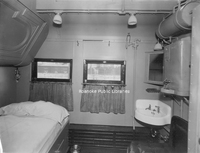
An interior view of a sleeper car.
HNWR114
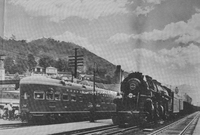
This image symbolizes the commercial ventures of N&W - a coal train enters the picture as a passenger train, the Powhatan Arrow, leaves. Engine No. 1213 is westbound out of Williamson, West Virginia, to deliver coal to the Great Lakes region. The…
HNWR115
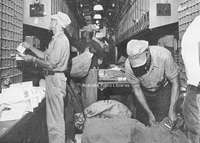
Unidentified men work in a standard rail mail car. The United States Postal Service discontinued use of the railroad post office in 1967.
HNWR116
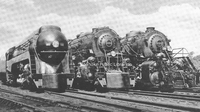
This photograph includes three types of modern, coal-burning steam locomotives designed and built by N&W. These represent the best elements of steam engine design: low initial investment, high utilization, low-cost operation and maintenence, and…
HNWR119
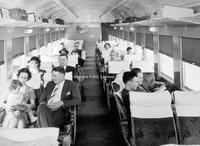
Passengers enjoy a ride on a N&W coach.
HNWR120
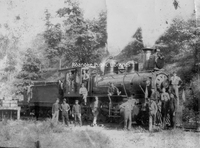
Engine No. 17 is surrounded by rail employees in this photograph taken near Elkton, West Virginia. On the ground at the extreme left is G.W. Pile; standing fourth from the left is H.S. Walker; standing second from the right is C.C. Edmondson; and…
HNWR121
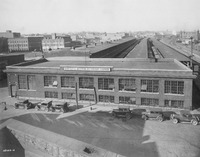
One of the largest freight depots along the N&W line was in Roanoke. Today, the freight depot is home to the Virginia Museum of Transporation, wherein are housed many N&W artifacts and archival material, as well as some steam engines in the outdoor…
HNWR122
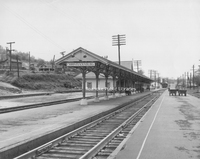
The station at Christiansburg, Virginia awaits freight and passengers. Note the mail and express carts to the right.
HNWR123
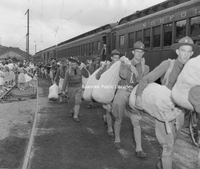
The N&W, like all major railroads, served its country well during World War II for the movement of troops and military freight. In fact, passenger service reached its zenith during wartime. While the exact location of this scene is unknown, it…
HNWR124
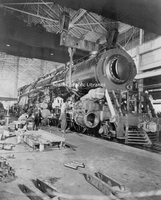
Employees repair an N&W locomotive at the Roanoke Shops.
HNWR125
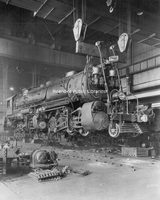
An interior view of the erecting shop at Roanoke showing an engine's assembly in progress.
HNWR126
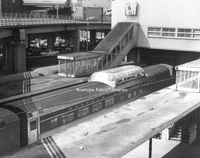
Taken from the Roanoke passenger station, this photograph shows the Birmingham Special in the background and the Pocahontas in the foreground..
HNWR127
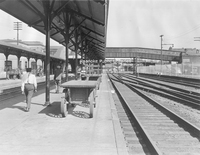
Shown here is the back, lower level of the Roanoke passenger station three years before the Raymond Loewy renovation.
HNWR128
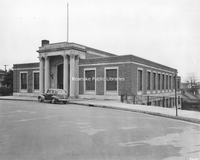
The N&W passenger station at Winston-Salem, North Carolina.
HNWR129
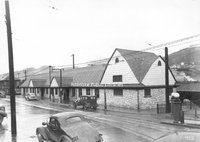
The N&W station at Bluefield, West Virginia.
HNWR131
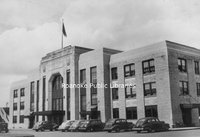
The N&W station at Portsmouth, Ohio.
HNWR132
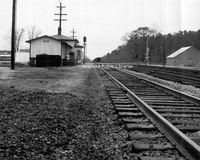
The depot in Ivor, Virginia.
HNWR133
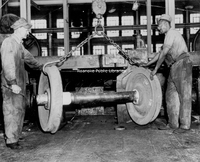
Two employees examine car wheels at the Roanoke Shops. C.G. Wiley is at right; the man at left is unidentified. Unfortunately, African American employees of the N&W could not be promoted beyond entry-level positions until the passage of the Civil…
HNWR134
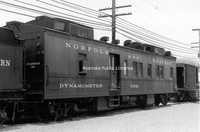
The Dynamometer was pulled by locomotives to determine their actual horsepower and potential speeds. Such calculations were extremely important for effeciently moving freight over different grades and distances. The ability of the locomotive to do…
HNWR135
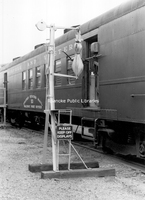
Here, a former N&W mail car is a museum display. Notice the period mail bag hanging from its post. As the train would pass, the mail clerk would position the hook, grab the bag, and then begin the sorting process inside the car.
HNWR136
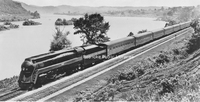
The Powhatan Arrow on one of its runs. The Arrow traveled along a diverse scenic route through Virginia's Dismal Swamp, the Blue Ridge Mountains, the Alleghanies, and into the West Virginia coal fields.
HNWR137
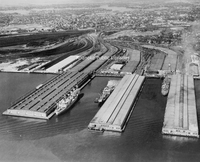
Aerial photograph of N&W freight docks at Lambert's Point near Norfolk.
HNWR138
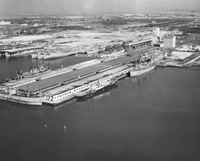
Coal was not the only export transported by N&W. This image shows freight docks and a grain elevator at Sewall's Point at Norfolk. Pier A is in center foreground.
HNWR139
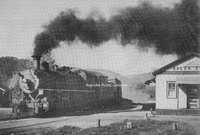
Engine No. 382 runs the steepest grade of all - a sustained three percent grade to the summit at White Top Station. This run, affectionately known as the "Virginia Creeper", ran between Abingdon, Virginia and West Jefferson, North Carolina. Here,…
HNWR140
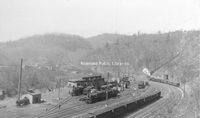
A small coal yard in West Virginia. N&W pioneered and developed the state's coal industry.
HNWR141
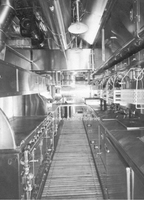
When passenger services encompassed long distances, dining service was offered. While cooks had to operate in a relatively confined space, they prepared full-course meals as good as any fine restaurants.
HNWR142
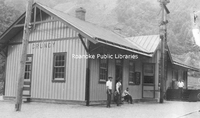
The depot at Grundy, Virginia was reminiscent of many rural depots that lined the tracks of the N&W.
HNWR143
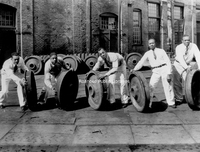
The "Wheel Rollers" of the Roanoke Shops include (front left): Earl Dunning, John Cantry, Charles Wiley, Monk Wiggins, and Thomas Campbell. The Wheel Rollers competed in wheel rolling competitions around the nation and always placed high.
HNWR144
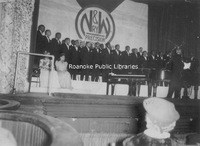
The Norfolk and Western Male Chorus consisted of African American employees who toured and performed hundreds of concerts. Here, the chorus performs at Roanoke's Academy of Music. The chorus was of such a high caliber that one needed an audition to…
HNWR145
The old car record office at Portsmouth, Virginia. Shown from left are: Floyd Chabot (seated), Paul Jones, S.A. Highfield, H.H. Hester, and John Farley.
HNWR146
Car yardmen at Kimball, West Virginia. As the coal mines opened, the number of men employeed by N&W soared, bringing economic opportunity to many West Virginia families.
HNWR147
One of N&W's largest freight stations was in Roanoke. Depicted are unidentified freight station employees. The average annual wage for railroad workers in America at the turn of the century was $740, much higher than the average American wage.
HNWR148
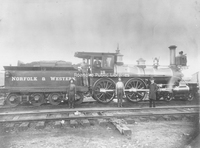
The crew of Engine No. 19. This engine, like most of the engines used by N&W in its infancy, was built by Baldwin Locomotive Works.
HNWR149
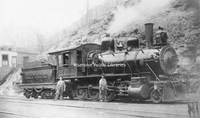
An early example of freight locomotives used by N&W was Engine No. 264.
HNWR150
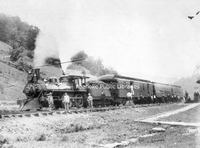
Class Q Engine No. 516 pulls into a depot at Nolan, West Virginia. The engine was originally put into service in April 1882. Crew members are servicing both passenger and express cars.
HNWR151
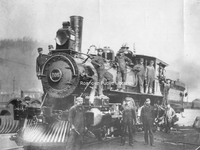
Shop employees and crew of Engine No. 205 in Roanoke, shortly after the locomotives construction.
HNWR152
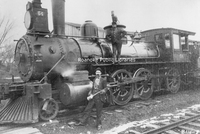
Engine No. 54 with her crew (from left): Engineer E.H. Jones, Fireman Guy Emery, and Conductor Lloyd Pugh. The train was running between Sardinia and Hillsboro branch, and the main line of the Cincinnati, Portsmouth, and Virginia Railroad.
HNWR153
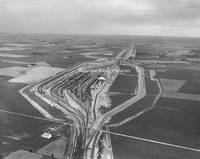
An aerial view of Bellevue Yard in Ohio, looking east. The classification yard is at left center and immediately to the right is the car repair facility. In the distance are the receiving and departure yards.
HNWR154
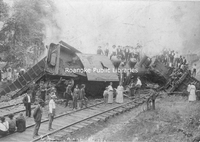
Wreck at Powhatan, West Virginia. Notice the double-tracking in the image. Unfortunately, the development of adequate rail safety technology was years from completion, making railroading a dangerous profession.
HNWR155
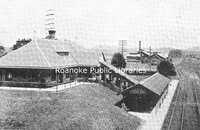
A postcard image of the N&W depot at Salem, Virginia. The depot still remains, although the shed at the tracks was dismantled many years ago. During the 1930s, depots like this dotted the lines of the N&W. Few remain today, either abandoned or in…
HNWR158
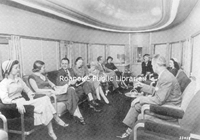
Interior view of a typical N&W lounge car.
HNWR159
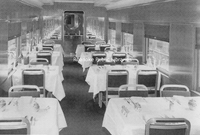
Interior view of a typical N&W dining car.
HNWR160
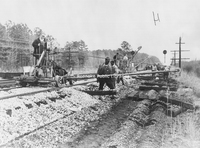
Here is but one example of how mechanization assisted significantly in the maintenance of tracks. A machine removes cross ties for the crew.
HNWR161
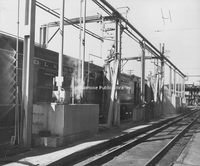
To keep passenger coaches looking good, the railroad regularly sent them through a mechanical washing facility.
HNWR162
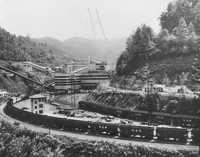
Freight cars line up outside a coal-cleaning and prep plant near Gary, West Virginia. The N&W relied heavily on many of the larger coal mines and facilities throughout West Virginia.
HNWR163
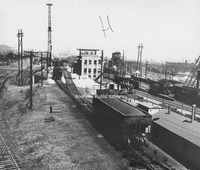
A hopper car loaded with coal coasts down the "hump" incline toward classification tracks at the Portsmouth, Ohio freight yard. This car is half-way through the master retarder. The scale house and assistant yard master's office are located in the…
HNWR164
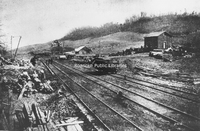
The Bluefield Yard in 1888. In that year, the N&W organized
HNWR165
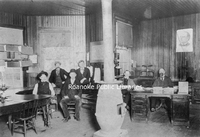
The Portsmouth Freight Office included (from left): L.M. Dory, Gus Kehrer, Fred Dressler, S.R. Crawford, T.M. O'Connor, and Theodore Doty.
HNWR166
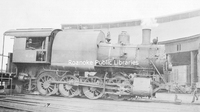
This engine was a Class W-1, 2-8-0 type and was originally built by the Roanoke Shops in October 1900.
HNWR167
Engine No. 102 rolls out of assembly at the Roanoke Shops and employees pose for the customary photograph of the engine.
HNWR168
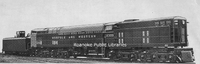
The "Jawn Henry" was the nickname for this combination steam-electric locomotive. It was N&W's last-ditch effort to give steam one last try. The engine had 12 traction motors, weighed in at 1.1 million pounds, and was 161 feet long. Delivered in…
HNWR170
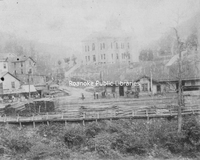
Welch, West Virginia. The old N&W station is in the foreground; the courthouse is atop the hill and businesses are at left.
HNWR172
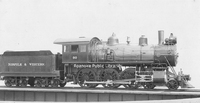
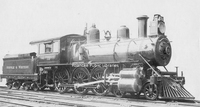
Passenger Engine No. 90 was an example of many engines purchased by N&W in its early years from Baldwin Locomotive Works. Engine No. 90 was a Class A engine.
HNWR173
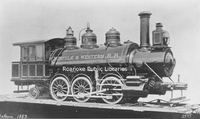
Engine No. 72 is another example of a Class U locomotive built by Baldwin Locomotive Works in 1892. This passenger locomotive weighed in excess of 132,000 pounds and was later converted to simple cylinders.
HNWR174
Engine No. 93 was a small shifting engine used at Roanoke Machine Works. It was built by Baldwin Locomotive Works in 1883.
HNWR175
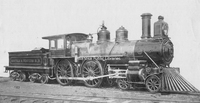
The old Class M engine was built by Baldwin Locomotive Works in 1883. N&W owned two of these engines, Nos. 94 and 95, as shown here.
HNWR176
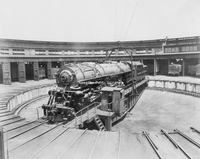
Freight Locomotive No. 1203 rests on the turntable at Shaffer's Crossing in Roanoke.
HNWR177
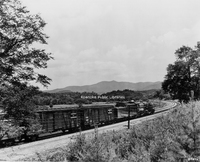
A stock train rolls through the Virginia countryside. As a way to encourage agribusiness, N&W operated a working farm at Ivor, Virginia for some years around 1910-1915.
HNWR178
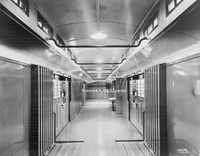
An interior view of an express car used by N&W. Express cars held all kinds of freight, from passenger baggage to commercial merchandise.
HNWR179
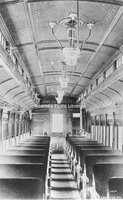
An interior view of a N&W passenger coach. Notice the oil lamps. Although beautiful design features, these lamps would often shatter during an accident, spilling their fuel into the car. Resultant fires sometimes killed more passengers than the…
HNWR180
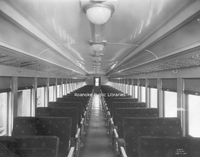
Passenger coaches changed significantly over time. Once elaborate and finely appointed coaches evolved into more basic design, as seen in passenger coach No. 1650.
HNWR181

Passenger coach No. 1700.
HNWR182
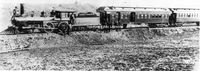
This passenger train stops in Ivanhoe, Virginia. Passenger service would serve as a popular form of distance travel until the emergence of the automobile.
HNWR183
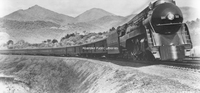
The Class J 600 is pulling a Southern Railway streamlined passenger train. The Class Js were built between 1941 and 1950.
HNWR184
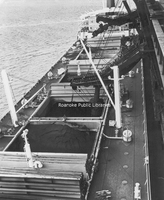
This photograph shows one of the largest loads of coal cargo on a single ship at Lambert's Point. A total of 493 carloads were required.
HNWR185
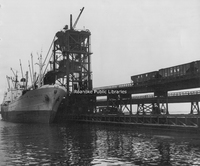
Loaded coal cars await their turn at the car-dumping machine. Upwards of 400 cars of coal are required to fill the large colliers.
HNWR186
Norfolk & Western always kept a spare for every part necessary to cargo operations.
HNWR187
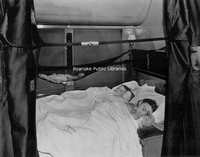
An interior view of a Pullman car after being made into a sleeper.
HNWR188
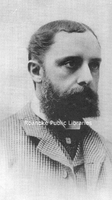
Frederick J. Kimball was one of the most forward-thinking of the early N&W presidents. He was so respected, the citizens of Big Lick voted to change its name to Kimball in his honor. He declined and suggested the location be called Roanoke, which…
HNWR189
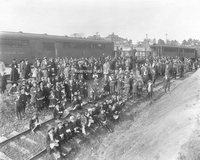
This photograph of a bygone era shows a racehorse car with an auction occurring on the platform car. Taken by George Davis of Roanoke, it hints at the possible location of the auction. There were several racehorse tracks in the Roanoke Valley at…
HNWR190
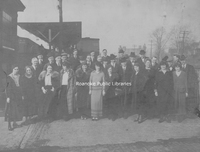
Employees of the Roanoke freight office.
HNWR191
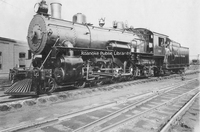
Engine No. 550 is a later example of the steam locomotive used by N&W. The crew poses for a picture in Roanoke.
HNWR192
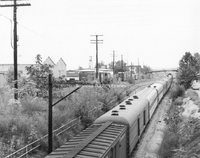
The Birmingham Special moves northbound, having detoured through Waynesboro, Virginia, on account of a washout on the Southern Railway's main line between Monroe, West Virginia and Charlottesville, Virginia. The Special was among a number of other…
HNWR193
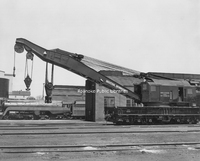
An industrial hoist rests in the yard at Roanoke. Notice the huge pulleys hanging from the arm. Engine No. 131 is in the background.
HNWR194
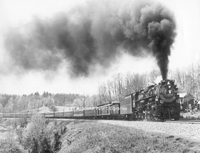
Norfolk & Western's passenger service ceased in 1971. Here is the Pocahontas on her last run, traveling eastbound at Blue Ridge, Virginia. An estimated 100,000 spectators lined the route to catch a glimpse of a passing era.
HNWR195
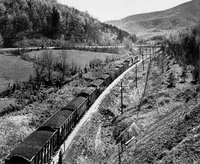
This consist of coal includes some hoppers from the Virginia Railway, which had been acquired by N&W in 1959.
HNWR196
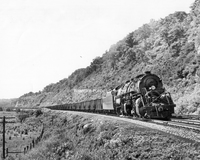
Engine No. 2146 pulls a load of coal. In the 1940s, N&W served the following seven coal districts: Kenova, Thacker, Tug River, Pocahontas, Clinch Valley 1 & 2, and Radford.
HNWR197
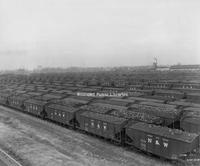
This is the view across the flat yard at Norfolk, Virginia. Hoppers would wait in the yard to be emptied.
HNWR198
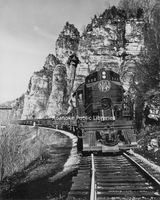
Diesel Engine No. 322 pulls a consist of coal through Virginia. The switch to diesel was difficult for N&W given its commercial investment in coal.
HNWR199
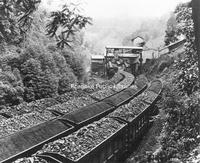
Loaded coal cars awaiting shipment from an N&W coal tipple. Note the different grades of coal being loaded. During World War II, the United States Navy almost exclusively used N&W coal for its Atlantic fleet.
HNWR202
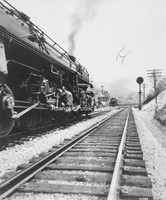
Two N&W locomotives prepare to pass one another heading to and from the West Virginia coal fields.
Hollins Institute, Virginia: Founded 1842
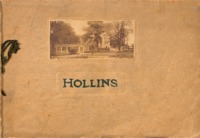
Pictorial booklet of scenes of and around Hollins Institute (now Hollins University).
Illustrated Story of Roanoke: The "Magic City"
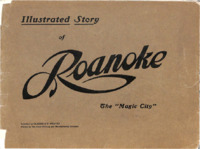
A description of Roanoke with a directory of businesses and industries.
Imprint 1995

The Imprint is the annual for Roanoke Valley Christian School.
Imprint 1998

The Imprint is the annual for Roanoke Valley Christian School.

Index to Raymond Barnes News Articles

This is an index of articles written by Raymond Barnes for the Roanoke World News. Barnes' feature articles, entitled "Echoes of Roanoke", ran from 1958-1969 and covered an array of historical topics related to the Roanoke Valley.
Index to the Journal of the Historical Society of Western Virginia

This document is a subject index to the Journal of the Historical Society of Western Virginia. Originally called the Journal of the Roanoke Historical Society, on February 15, 1972, the Historical Society changed its name to the Roanoke Valley…
Index to the Roanoker Magazine
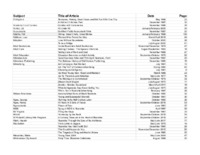
This document is an index to the Roanoker Magazine arranged alphabetically by subject. from 1974-present.
Insurance Rating Request for the City of Roanoke
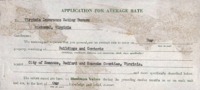
Prepared for the Virginia Insurance Rating Bureau, this request contains an inventory of city owned property with descriptions and in many cases photographs.
Interments in Old Lick, First Baptist Church, and City Farm Cemeteries, 1912-1960

This is a guide to a collection of death certificates of individuals buried in Old Lick, First Baptist Church, and City Farm cemeteries beginning with the earliest available certificates in 1912 and concluding with 1960 when burials at the cemeteries…
IRB 102 Dwelling 1

A two story and basement building of frame construction, composition shingle roofm plastered interior finish, wood floors on first and second, concrete basement, steam heat and electric lighting. Excellent condition. Valuation: The sound value of…
IRB 104 Dwelling 2

A one story and basement building, frame construction, metal roof, plastered interior finish, wood floors, concrete basement, electric lighting, steam heat. Building in good condition. Valuation: The sound value of this building is approximately…
IRB 110 Dwelling

A two and one story frame building, composition roof, plastered interior finish, wood floors, stove heat. Building in fair condition. Valuation: The sound value of this building is approximately $4K.
IRB 115 Caretakers Dwelling

A one story and basement building of log and stone construction, composition roof, wood boards and earth floors, open interior finish, electric lighting, stove heat. Built in 1930 and in excellent condition. Valuation: The sound value of this…
IRB 118 Tenant Dwelling

A two and one story frame dwelling, metal roof, wood floors, plastered interior finish, electric lighting. Approximately 40 years old in fair condition. A small frame outbuilding also located on premises. Valuation: The sound value of this building…
IRB 119 Tenant Dwelling

A one and a half story building of frame construction, composition roof, wood floors, plastered interior finish, electric lighting, stove heat. Building approximately 40 years old and in fair condition. Small frame outbuilding on premises. Valuation:…
IRB 122 CC Filter Plant

One and two story building with basement. The modern fire resistive building was completed in 1947. Valuation: The sound value of this building is approximately $227K.
IRB 125 Main Library

"A two story and basement brick building with stucco finish, metal roof, wood floors, except basement, which is brick, plastered interior finish, electric lights, low pressure steam heat. Approximately 125 years old. Occupancy: Basement - Heating…
IRB 126 Raleigh Court

"One story brick building, wood joisted roof covered with slate. Interior; floor of concrete with mastic tile wearing surfaces, close plastered sidewalls, metal lath and plastered beam ceiling. Electric lighting, stoker-fired low pressure steam…
IRB 128 Gainsboro

One story and part basement brick building, wood joisted roof covered with slate. Interior; joisted floor, oak wearing surfaces, close plastered sidewalls, ceilings metal lath and plaster. Basement partly finished with concrete floor. Electric…
IRB 133 Almshouse

"A two story and part basement brick building of fire resistive construction, roof of composition on concrete slab, concrete floors, plastered interior finish, electric lighting, low pressure steam heat. Approximately 25 years old and in good…
IRB 152 Detention Home

This is a three story and basement and part two story and basement brick building of fire resistive construction with a roof of composition on concrete slab, concrete floors throughout. One open stairs from basement to third floor. Electric…
IRB 153 Coyner Springs

A two and one story part basement building of brick and frame construction with composition shingled roofm concrete floors with tile and wood surfacing, plastered interior finish,electric lighting, low pressure steam heat. Built in 1939 and in…
IRB 23 Municipal Airport

A two story and basement and part one story and basement brick building, metal roof, wood floors except basement which is earth, plastered interior finish, electric lights and steam heat; fair condition. Occupancy: Office and apartments. Valuation:…
IRB 24 Tenant Dwelling 2

One story frame dwelling with composition covered roof and wood floor. Building in fair repair; occupied as tenant dwelling. Valuation: The sound value of this building is approximately $2.5K
IRB 25 Hangars A&B

Two buildings of similar construction. Each building of cinder block walls with large frame doors, wood joisted roof covered with composition, concrete floor, electric lighting; stove heat. Buildings recently erected and in good repair.
IRB 26 Nose-In Hangar

This is a one-high story building with roof of gypsum plank on unprotected steel, cinder block walls, concrete floor. One side is open. Building of recent construction and in good repair. Occupancy: Nose-in hangar and office. Valuation: The sound…
IRB 27 Hangar 2

This is a one story building of cinder block construction, all metal roof, concrete floor, electric lighting and steam heat. Occupancy: airplane hangar and supplies storage. Valuation: The sound value of this building is approximately $25.5K
IRB 28 Hangar 1

This is a one story building of cinder block construction, all metal roof, concrete floor, electric lighting and steam heat. Occupancy: airplane hangar, with woodworking, machine shop and spray. Valuation: The sound value of this building is…
IRB 29 Quonset Hangars

Four Quonset hut buildings of similar construction. Buildings of all metal on concrete dwarf walls, asphalt floors, electric lighting; no heat. Buildings new and in good condition. Occupancy: airplane storage. Valuation: Each hangar is valued at…
IRB 3 Mercantile Building

This is a two story frame building with metal roof, wood floors, plastered interior finish, electric lights and coal stove hear. This building is approximately 50 years old an in fair condition. Occupancy: Offices, drugstore, dwelling. Valuation:…
IRB 30 Administration Building

This is a one story building of cinder block construction with a metal roof on wood boards on metal truss, concrete floor, electric lighting, stove heat. Occupancy: Offices, waiting room and restaurant. Valuation: The sound value of this building is…
IRB 37 Fire Station 1

This is a two story and part basement brick building, metal roof, concrete floors, with the exception of the second which is wood boards, open interior finish with the exception of the second floor which is plaster. One stairs basement to first…
IRB 38 Fire Station 2

This is a two story brick building with composition roof on wood boards. First floor has open interior finish, metal ceiling and concrete floor. Second floor has plastered interior finish and wood floors. One stairs first to second flood. Electric…
IRB 39 Fire Station 3

This is a two story and part basement brick building of ordinary joisted construction with composition roof; open interior finish with the exception of the second floor which is plaster, concrete floors with the exception of the second floor which is…
IRB 4 Mercantile Building

This is a one story brick building with metal roof, wood floors, plastered walls and metal ceiling, electric lights and cooking gas range. This building is approximately 30 years old and in fair condition. Occupancy: Restaurant. Valuation: The sound…
IRB 40 Fire Station 4

This is a two story and part basement brick building with slate roof. First floor, open interior finish with metal ceiling; second floor, plaster. Concrete floors with exception of second floor which is wood boards. One stairs basement to second…
IRB 41 Fire Station 5

This is a two story and part basement brick building with slate roof. First floor, open interior finish with metal ceiling; second floor, plaster. Concrete floors with exception of second floor which is wood boards. One stairs basement to second…
IRB 42 Fire Station 6

This is a two story and part basement brick building with slate roof. First floor, open interior finish with metal ceiling; second floor, plaster. Concrete floors with exception of second floor which is wood boards. One stairs basement to second…
IRB 43 Fire Station 7

This is a two story and part basement brick building of semi-fire resistive construction with composition shingled roof on wood boards over concrete slab, open interior finish with exception of second floor which is plastered, concrete floors. One…
IRB 44 Fire Station 8

This is a two story and part basement brick building of semi-fire resistive construction with slate roof, open interior finish with exception of second floor which is plaster, concrete floors - wood surface on second floor. One stairs basement to…
IRB 45 Fire Station 9

This is a two story and part basement brick building of semi-fire resistive construction with composition roof on a concrete slab; Plastered interior finish with exception of basement which is open; concrete basement, terrazzo first floor, wood…
IRB 46 Fire Station 10

This is a one-two story and part basement of brick veneer, frame and cinder block, ordinary joisted construction with approved roof. Part of first floor concrete, stove heat; indifferent repair. Occupancy: 1617 - Life Saving Station. 1619-21 - Fire…
IRB 47 Rockledge

A large two story and basement building, frame clapboard and wood shingle construction, wood shingle roof, board floors, wood board interior finish, electric lighting, heat from stoves and fireplaces; in poor condition. Occupancy: First floor - dance…
IRB 48 Caretakers Dwelling

A one story frame, approved roof dwelling, electric lighting, stove heat; no basement and in fair repair. Valuation: The sound value of this building is approximately $3K.
IRB 49 Elmwood Club Rooms

A two story building of brick and stone stuccoed construction with composition shingle roof, wood board floors, plastered interior finish, electric lights, coal-fired Arcola heat. Approximately 50 years old and in good condition. Valuation: The…
IRB 5 Office Building

This is a two story and basement brick building with slate roof, wood floors with the exception of the basement which is concrete, plastered walls with the exception of the basement which is open, electric lights and low pressure steam heat. This…
IRB 51 Bandstand

A one story octagonal shaped open pavilion with wood shingle roof, wood floors. Valuation: The sound value of this building is approximately $4500.
IRB 52 Gish House

A two story frame clapboard building with composition shingle roof, wood floors with exception of basement which is concrete, plastered interior finish with exception of basement which is open finish, one stairs basement to first floor and one stairs…
IRB 53 Bandstand

A one storage octagonal shaped open pavilion with wood shingle roof, wood floors. Valuation: The sound value of this building is approximately $500.
IRB 65 Tenant Dwelling

A one story frame stuccoed building with concrete shingle roof, wood floors, plastered interior finish, electric lighting, stove heat. Building in good condition. Valuation: The sound valuation of this building is approximately $2.4K
IRB 66 Buena Vista

A two story and part basement brick building with metal roof, wood floors, plastered interior finish, three stairs first to second floor, one stairs basement to first floor. Electric lighting and low pressure steam heat. About 100 years old and in…
IRB 75 Keepers Dwelling

A one and a half story part basement building of frame construction with metal roof, wood floors, plastered interior finish, electric lighting and stove heat. About 150 years old. Valuation: The salvage value of this building is approximately $3K.
IRB 83 Keepers Dwelling

A two story brick building with frame addition and approved roof, wood floors, plastered interior finish, stove heat and electric lighting. Building in fair condition. Valuation: The sound value of this building is approximately $3.5K.
IRB 85 Shelter House

A one story and basement frame, approved roof building, with wood floor. Valuation: The sound value of this building is approximately $4K.
IRB 93 General Office

A two story brick building with composition roof, first floor is concrete and second floor wood boards, plastered interior finish, electric lights, hot water heat (heating equipment cut off in fireproof room). Approximately fifty years old in good…
IRB 94 Meter Shop

A three story brick building with a metal roof, wood floors with the exception of first floor which is concrete, wood lath and plaster interior finish, electric lighting, stove heat. Approximately 50 years old and in poor condition. The building is…
IRB 97 Pump Station

A one story brick building, composition roof, open interior finish, concrete and wood floors, electric lighting; fire resistive addition. Building in good condition. Occupancy: Steam reciprocating pumps and boilers. Valuation: The sound value of…
IRB1 Municipal Building

This is a large five story building of fire resistive construction erected in 1916, having a built-up roof, concrete and terrazzo floors, and direct plaster interior finish. There are two open stairs from the first to the the third floor, one…
IRB2 Municipal Annex

This is a two story building and basement brick building with metal roof, plank floors with the exception of the basement floor which is concrete, plastered interior finish and one open stairs from basement to second floor, electric lights and low…
IRB7 Church

One story part basement frame building, new composition roof, plastered interior finish, wood floors, electric lighting, hot air heat. Building in good condition. Occupancy: Church of Christ. Valuation: The sound value of this building is…
It Seems As If Everyone in Roanoke, Virginia Visits Children's Zoo

Article written by Robert P. Hunter, then Parks and Recreation manager for the City of Roanoke. Published in the July 1956 edition of Park Maintenance magazine.
J. Randolph Bryan

Date of Birth: January 9, 1868
Mayor from July 1, 1900 to February 13, 1902
Date of Death: August 1, 1909
Mayor from July 1, 1900 to February 13, 1902
Date of Death: August 1, 1909
James A. Bear

Date of Birth: March 25, 1881
Mayor from June 2, 1938 to August 31, 1938
Other offices held: City County, 1934-1940; Virginia House of Delegates, 1924-1929 and 1946-1947
Date of Death: September 4, 1956
Mayor from June 2, 1938 to August 31, 1938
Other offices held: City County, 1934-1940; Virginia House of Delegates, 1924-1929 and 1946-1947
Date of Death: September 4, 1956
James P. Woods

Date of Birth: February 4, 1868
Mayor from July 1, 1898 to June 30, 1900
Other offices held: City Council, November 10, 1896 to July 1, 1898; U.S. House of Representatives, Virginia's 6th District, February 25, 1919 to March 3, 1923
Date of…
Mayor from July 1, 1898 to June 30, 1900
Other offices held: City Council, November 10, 1896 to July 1, 1898; U.S. House of Representatives, Virginia's 6th District, February 25, 1919 to March 3, 1923
Date of…
JLSB1 J.L. Stern Battalion

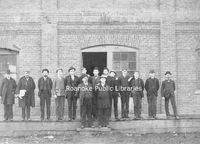
Jo Lane Stern Battalion, Company B, in front of the Roanoke Auditorium. Col. Jo Lane Stern, inspector general of the State, mustered in the Jo Lane Stern Battalion of Virginia volunteers in Roanoke, composed of four full companies, numbering 267 men…
Joel H. Cutchin

Date of Birth: February 2, 1846
Mayor from July 1, 1902 to April 9, 1912
Other offices held: City Council, July 1, 1898 to July 1, 1902
Date of Death: September 20, 1917
Mayor from July 1, 1902 to April 9, 1912
Other offices held: City Council, July 1, 1898 to July 1, 1902
Date of Death: September 20, 1917
John H. Dunstan

Date of Birth: c. 1839
Mayor from July 1, 1884 to June 30, 1885
Date of Death: September 21, 1902
Mayor from July 1, 1884 to June 30, 1885
Date of Death: September 21, 1902
John W. Woods

Date of Birth: July 27, 1858
Mayor from July 1, 1912 to December 23, 1912
Other offices held: Virginia House of Delegates, 1889-1900
Date of Death: December 23, 1912
Mayor from July 1, 1912 to December 23, 1912
Other offices held: Virginia House of Delegates, 1889-1900
Date of Death: December 23, 1912
Journal of the Historical Society of Western Virginia
2001
Volume 14, Number 2

Articles in this issue include: Vice Presidential Candidate had Carvins Cove Summer Home Emma Comer, First Graduate of Roanoke City High School, 1894 Celebrating the Millennium, 1901Mrs. Breckinridge's BreweryGrowing Up and Having Fun in South…
Journal of the Historical Society of Western Virginia
2002
Volume 15, Number 1

Articles in this issue include: Railroads and Their PeopleThe Virginia & Tennessee Railroad 150 Years AgoWorking with Winston Link at the End of Steam PowerThe Turnpikes of Southwest VirginiaThe Harris Family ArchivesWhat Do We Leave…
Journal of the Historical Society of Western Virginia
2003
Volume 15, Number 2

Articles in this issue include: The Legend of Benjamin Deyerle RevisitedLest We Forget: A Vinton LandmarkThe New River on Mid-Eighteenth Century MapsThe Craft Revival in Appalachia, 1896-1937And The Mountains Sing with Joy: White Top MusicThe Great…
Journal of the Historical Society of Western Virginia
2004
Volume 16, Number 1

Articles in this issue include: No Contract Too Large or Too Small for C. Markley and SonThey Go Quietly: Agricultural Change in Franklin CountyMy Memories of Carvins Cove: A Long, Peaceful ValleyAfrican Americans Have a Proud AncestryGainsboro and…
Journal of the Historical Society of Western Virginia
2005
Volume 16, Number 2

Articles in this issue include: The Progressive Reform Movement in Roanoke, 1900-1912The Victoria Courtship of Miss Emma and Mr. TinsleyLife in 1905Roanoke Families Built Many Roads from 1950-2005Bob Childress and His Six Rock ChurchesThe Early…
Journal of the Historical Society of Western Virginia
2006-2007
Volume 17, Number 1

Articles in this issue include: Historical Society Journal is 43Roanoke County and Valley: The Lessons of HistoryThe Past is Right Here for the ArchaeologistThe Great FloodSeeing Virginia in 1797Roanoke County in the 1840sHow the Mother County…
Journal of the Historical Society of Western Virginia
2008
Volume 17, Number 2

Articles in this issue include: A Personal History of the Hotel RoanokeDust-Clad Motorcars Arrive in Roanoke in 1909Lincoln's Virginia RootsColonel J. Sinclair Brown: Hard to BeatWhat is it about the Civil War?Images from the Old BeltResidential…
Journal of the Historical Society of Western Virginia
2009
Volume 18, Number 1

Articles in this issue include:A New Way of Looking at Old ThingsThe Career of Henry H. FowlerCol. John Smith: Unsung Hero of Virginia's Colonial FrontierOld County Courthouse is 100 Years Old16th Century Spanish Invasions of Southwest VirginiaThe…
Journal of the Historical Society of Western Virginia
2010
Volume 19, Number 2

Articles in this issue include: Defining and Dating Log Buildings in Southwest Virginia Lewis Miller: Folk Artist and Chronicler of the 19th Century Roanoke's Social Life in 1912: The Diary of Nina Quinn Blue Ridge Parkway: A Graceful Mountain Drive…
Journal of the Historical Society of Western Virginia
2011
Volume 20, Number 1

Articles in this issue include:An Interview with Carter BurgessWhere was Totera Town? A ReviewS.H. McVitty's Collection of Presidential SignaturesS.H. McVitty: Industrialist, Philanthropist, CollectorThe Late, Great Cattle BattleThe Two Michael…
Journal of the Historical Society of Western Virginia
2012
Volume 20, Number 2

Articles in this issue include:The New Day at AppomattoxRare Lee Letter Tells of "Thinning Ranks"George S. Bernard on the Causes of the Civil WarAn Army of Many Colors Trains in Salem in 1863Hollins Institute Prepares for a New Civilization in…
Journal of the Historical Society of Western Virginia
2013
Volume 21, Number 1

Articles in this issue include:Two Roads Diverged: Architectural History and Historic Preservation in the 21st CenturyCotton to Silk: An Oral HistoryHow Lyman Draper Saved HistoryDown on the MarketFurniture and Aviation History Reside in Fogotten…
Journal of the Historical Society of Western Virginia
2014
Volume 21, Number 2

Articles in this issue include:Growing Up in Roanoke in the 1920s to 1930sO. Winston Link's 100th Birthday PartyBedford BarnsFrances Benjamin Johnston, Renowned Photographer, and the George Trout Farm in NW RoanokeRunaway Slaves: Mindset of Negroes,…
Journal of the Historical Society of Western Virginia
2015
Volume 22, Number 1

Articles in this issue include: Roanoke Jews: A HistoryCrossing Roanoke Valley in Chains and HandcuffsOld Chapel Church is 247 Years OldLong Stained Glass Window is Coming to the Link MuseumRoanoke's First FlightNatural Bridge, A Landmark for the…
Journal of the Historical Society of Western Virginia
2016
Volume 22, Number 2

Articles in this issue include:Virginia's Western Counties and the Making of AmericaA New Road to be Opened: The Poplar Forest ParkwayRecalling Poplar Forest After Mr. JeffersonSegregated Souls in the Star CityThe Photographs of George Newton Wertz,…
Journal of the Historical Society of Western Virginia
2018
Volume 23, Number 1

Articles in this issue include:Armistice Ended "Greatest War in History" a Century AgoThe Humilitation of Lord BotetourtRoanoke Cotton MillsSunday Trouble on Back CreekThe Legacies of Junteenth 150 Years RunningBob Angell: An Early Mover and Shaker…
Journal of the Historical Society of Western Virginia
2019
Volume 23, Number 2

Articles in this issue include:How the Mother County BeganThe Virginia Brewing Company: Roanoke's First BreweryTrees Provide Clues to Construction of Greenfield Kitchen and Slave QuartersTrouts, Father and Son, Were Early MayorsFrom the Front Porch…
Journal of the Historical Society of Western Virginia
2020
Volume 24, Number 1

Articles in this issue include:Roanoke and the Southwest in Virginia HistoryThe Enigmatic Stone Structures of Western VirginiaOrchard HillN&W, WWIIN&W ShopsLost ColonySlavery as America's "Peculiar" InstitutionRoanoke-Norfolk Photographer,…
Journal of the Roanoke Historical Society
1971?
Volume 7, Number 2

Articles in this issue include: General James Breckinridge, Frontier Man for All Seasons Botetourt's Three CourthousesA Disastrous ConflagrationFire Remedy is 1,400 Years OldRoanoke's 300th AnniversaryEarly Lightning DevicesMontgomery Men in…
Journal of the Roanoke Historical Society
Summer 1964
Volume 1, Number 1

Articles in this issue include: Treasure TroveSome Phases of the Civil War in the Roanoke AreaThe Case of the Warrantless PrisonersTwo Ladies of the MuseumNewspaper Days, 1790The Borden Patent
Journal of the Roanoke Historical Society
Summer 1965
Volume 2, Number 1

Articles in this issue include: The South Western Turnpike RoadToll Gates in this CenturyBoyhood Collection is Remembrance of PastThomas and Tasker ToshLone Oak-1767?-1964Founding of Patrick CountyPeaks of OtterBeginnings of the Virginia Historical…
Journal of the Roanoke Historical Society
Summer 1966
Volume 3, Number 1

Articles in this issue include: Shot Tower at Jackson's FerryHome Life in Virginia, 1776-1835Big Lick Home Front, 1816-1865The Society Circles Franklin CountyMountain Lake; Historic Preservation-A Challenge to Virginians
Journal of the Roanoke Historical Society
Summer 1967
Volume 4, Number 1

Articles in this issue include: The Pennsylvania Dutch Culture of the Shenandoah Valley Interstate Interchange Covers Town of GainsboroBell Mont-the Fleming PlantationLet's All Make WhiskeyLocust LevelEarly Lutherans in Western Virginia
Journal of the Roanoke Historical Society
Summer 1968
Volume 5, Number 1

Articles in this issue include: Montgomery White, 19th Century Social CenterVirginia's Neglected Soldiers28th Regiment, Virginia VolunteersSamuel Rader, 1801-1891, Botetourt Brick MasonHistory Grows in BotetourtPennsylvania Dutch Fashions and Early…
Journal of the Roanoke Historical Society
Summer 1969
Volume 6, Number 1

Articles in this issue include: Lewis Miller, Folk ArtistJohnny Rebs from Virginia and the Fairer SexThe Four Anderson BrothersRoanoke River: Once Called Saponi, Round Oak, Goose CreekSt. Mark's Fincastle Has Roots 200 Years OldAppalachian Dialect:…
Journal of the Roanoke Historical Society
Summer 1970
Volume 7, Number 1

Articles in this issue include: The Great Flood of 1749Roanoke County in the 1840sA Misty Tour of HenryThe Town of NewbernOn Campus 70 Years AgoWoolen Mill, a Major Botetourt IndustryCivil War Draft Problems in the Shenandoah ValleyHales Ford…
Journal of the Roanoke Historical Society
Winter 1964-1965
Volume 1, Number 2

Articles in this issue include: Forgotten Graveyards of the Roanoke ValleyThree-Layer Cake of Prehistoric VirginiaFincastle Springs, Resort of the '80sCivil War Comes to BuchananA Key Which Stayed HomeBuena Vista-Roanoke PlantationWilliam Fleming's…
Journal of the Roanoke Historical Society
Winter 1965-1966
Volume 2, Number 2

Articles in this issue include:John Nolen's Roanoke City Plan of 1907Southwest Virginia Turnpikes1753-Saga of Pioneer Pilgrimage Through the Roanoke Region You Could Take a Legal Gamble in 1796Butler in RichmondMachine Age 1832Fort Vause-The Site and…
Journal of the Roanoke Historical Society
Winter 1967
Volume 3, Number 2

Articles in this issue include: Hollins College and the Civil WarHenry Ford and Friends on TourSearching for Your AncestorsRoanoke Valley's Early Iron MinesRecollections of Bent Mountain
Journal of the Roanoke Historical Society
Winter 1968
Volume 4, Number 2

Articles in this issue include: 28th Regiment, Virginia Volunteers, 1861-1865Roanoke at the BeginningNew River: First of the Western WatersThe Teays: Ancestral River of Mid-AmericaA New Brick House for $105 and a Horse Critter Walled in by the…
Journal of the Roanoke Historical Society
Winter 1969
Volume 5, Number 2

Articles in this issue include: Collectors' Items Span Four CenturiesSaving Virginia's TreasuresEdward William Johnston and Roanoke Female SeminaryIs There an Older Roanoker?Five Rivers Flow WestLongwood was Salem's CastleRoanoke's Cows in 1898
Journal of the Roanoke Historical Society
Winter 1970
Volume 6, Number 2

Articles in this issue include: How the Mother County BeganFincastle-More Than a County SeatEarly CraftsmenMary Johnston, Writer of the PastCherry Tree BottomFire Destroys LandmarksThe Turnpike Through BotetourtWestern Inhabitants-An Incumbrance?The…
Journal of the Roanoke Historical Society
Winter 1972
Volume 8, Number 1

Articles in this issue include: The Past is Right Here for the ArchaeologistThe 51st Virginia Infantry: Farmers Turned SoldiersTurner's Creek Valley-the Land that Time ForgotLog Buildings in the Valley of VirginiaMary Harvey Trigg, an Unusual…
Journal of the Roanoke Valley Historical Society
1973-1974
Volume 9, Number 1

Articles in this issue include: Old Barns of AppalachiaMontane Virginia in the RevolutionRoanoke Valley MedicineRecollections of Ballad CollectingEphraim Vause was RobbedWilliam Preston, Frontier Public ServantAlexander-Withrow BuildingCherry Tree…
Journal of the Roanoke Valley Historical Society
1975
Volume 9, Number 2

Articles in this issue include: Government by Families in Botetourt CountyIndians Retreat from Virginians at Battle of Point PleasantThe Fincastle Resolutions, Southwest Virginia's CommitmentThe ResolutionsWho the 15 Signers WereSettlement, Defense…
Journal of the Roanoke Valley Historical Society
1978
Volume 10, Number 2

Articles in this issue include: Seeing Virginia in 1797The Big FortCures From Mountain HerbsWhat They Owned in the 1840sLexington ArchitectureThe Washington Iron WorksThe National Register of Historic PlacesBringing an Old Pump to Life
Journal of the Roanoke Valley Historical Society
1980
Volume 11, Number 1

Articles in this issue include:Clifton A. Woodrum, Congressman with a FlairColonel James P. Woods, Lawyer, CongressmanJohn Hook, New London MerchantHow We BeganSpinning and Weaving in Montgomery County
Journal of the Roanoke Valley Historical Society
1984
Volume 12, Number 1

Articles in this issue include: Farmers Supply Transformed into Center in the SquareRoanoke's First Dairy was on Orange AvenueVinton's BeginningHow Dr. Hart Lost His SightDr. William Fleming Made House CallsBenjamin Keagy's HomeDr. Landon Cabell…
Journal of the Roanoke Valley Historical Society
1988
Volume 12, Number 2

Articles in this issue include: First County Courthouse Stood from 1841-1909Fleming Backed ConstitutioRoanoke's First JudgesA Tale of Two HousesRoanoke Catholic ChurchesLetters from SchoolSalem MillsA Roanoke Visit in 1762Roanoke Fast Becoming Known…
Journal of the Roanoke Valley Historical Society
1989
Volume 13, Number 1

Articles in this issue include: Roanoke County and the Valley: the Lessons of HistoryRoanoke County Communities Started Between the Mountains The Early Economy of Roanoke CountyOld City Point Railroad was N&W Forerunner in 1838Overlooked…
Journal of the Roanoke Valley Historical Society
1996
Volume 13, Number 2

Articles in this issue include: Threading a Parkway through the Blue RidgeHotel Roanoke, "Large and Well-Equipped"The Railroad OfficesTotera Town ReconsideredColonel William Fleming's OriginsKentland Farm, a New River PlantationArchitecture of…
Journal of the Roanoke Valley Historical Society
Centennial Issue, 1982
Volume 11, Number 2

Articles in this issue include: Roanoke History as Recorded in 1912Where We Were in 1864When Knights Were BoldA Jefferson Street StrollRoanoke's First Fire StationHow a Railway Clerk Saw the New CenturyLife on Highland Avenue in the Early 1900sHorace…
Journal of the Roanoke Valley Historical Society
Summer 1972
Volume 8, Number 2

Articles in this issue include: Benjamin Deyerle, Builder of Fine HomesRoanoke County Barns of the 19th CenturyColonel George Plater Tayloe, a Builder of Hollins CollegeWhere the Brethren SettledDigging at Looney's FerryNo. 1 Fire Station is…
KH1 Kinsey Home

Thomas A. Kinsey home, formerly located at 1510 Franklin Road SW.
KH2 Kinsey Home

Thomas A. Kinsey home, formerly located at 1510 Franklin Road SW.
KH3 Thomas & Josephine Kinsey

Thomas A. and Josephine Kinsey in front of their home at 1510 Franklin Road, SW.
KH4 Kinsey Family

The Thomas A. Kinsey family on front porch of the home at 1510 Franklin Road, SW.
LDW1 Loebl, Josef

Josef Loebl stands next to a Vorclone drying tumbler in Loebl Dye Works, formerly located at 350 Salem Avenue.
LDW10 Staging Area

William Staples, Iva Staples and an unknown woman prepare garments for cleaning and alterations at Loebl Dye Works.
LDW11 Cleaning Area

Unidentified Loebl employees in the cleaning area.
LDW12 Dyeing Area

Unidentified Loebl employees in the dyeing area.
LDW13 Cleaning Area

Robert Loebl (left) inspects the work of unidentified employees on the Hoffman Pressing Machine.
LDW14 Cleaning Area

Robert Loebl (left) and two unidentfied men in the next to the cleaning tumblers.
LDW15 Loebl Dye Works

As seen here, Loebl Dye Works once filled a row of buildings on Salem Avenue.
LDW16 Package

This package illustrates just how well known Loebl Dye Works was, not just locally, but globally. This was sent from a dry cleaner in New Zealand for dye work. Among other clients of Loebl were the White House, the Greenbrier, New York designers…
LDW17 Loebl Dye Works

After the explosion of synthetic fabrics in the 1970s, Loebl Dye Works went out of business in 1981. The building was razed in 2001. The buildings at left in this photograph were also once used by the business and still stand today.
LDW2 Loebl Dye Works

Left to Right: Josef Loebl, Robert Loebl, Julia Loebl, _____, and Roy Hargraves in front of Loebl Dye Works, formerly on Salem Avenue.
LDW3 Dyeing Vats

Left to right: Roy Hargraves, Josef Loebl and Robert Loebl in a dyeing room of Loebl Dye Works, formerly located on Salem Avenue.
LDW4 Cleaning and Alterations

In addition to dyeing, Loebl also provided dry cleaning and alteration services. Photo is labeled with the following names, though their order as they appear is unclear: Minnie Duncan, Gertrude Gentry, Mrs. Flippen, Stella Taylor, and Miss Sandberg
LDW5 Loebl, Josef

Hungarian born, Josef Loebl grew up in Austia. He set up his dyeing and cleaning shop on Salem Avenue in the 1920s.
LDW6 Loebl Fleet

A fleet of four Loebl Dye Works dry cleaning trucks parked in front of Loebl Dye Works on Salem Avenue.
LDW7 Loebl Fleet

Loebl Dye Works dry cleaning trucks parked in front of Loebl Dye Works on Salem Avenue.
LDW8 Customer Counter

Robert Loebl, Hattie Mae Beck and Iva M. Spangler in the pick-up and drop-off area of Loebl Dye Works.
LDW9 Loebl Interior

Josef Loebl (center) and two unidentified men in "storefront" of Loebl Dye Works
Leo F. Henebry

Date of Birth: October 31, 1894
Mayor from October 15, 1943 to August 31, 1946
Date of Death: November 14, 1974
Mayor from October 15, 1943 to August 31, 1946
Date of Death: November 14, 1974
LSC1 Julian S. Wise

Julian Stanley Wise founded the Roanoke Life Saving and First Aid Crew in 1928. Wise had witnessed a drowning in the Roanoke River as a child. This incident greatly impacted his life, resulting in the formation of the first volunteer rescue squad…
LSC2 Roanoke Life Saving Crew

Roanoke Life Saving and First Aid Crew equipment display, including the crew's first ambulance, a Cadillac donated by John M. Oakey and Sons Funeral Home.
LSC3 Roanoke Life Saving Crew

Roanoke Life Saving and First Aid Crew purchased it first ambulance in 1932, a Ford panel truck.
LSC4 Roanoke Life Saving Crew

Roanoke Life Saving and First Aid Crew equipment display arranged for the public.
LSC5 Roanoke Life Saving Crew

Some equipment, including an "iron lung" and 1947 Oldsmobile 78 emergency vehicle on display at Roanoke Life Saving and First Aid Crew.
LSC6 Oakey & Sons

John M. Oakey and Sons garage, located at 321 Luck Avenue SW, provided the first ambulance and garage for Roanoke Life Saving and First Aid Crew.
Marshall Waid

Marshall Waid
Date of Birth: 1841
Mayor, Town of Big Lick from July 1, 1880 to February 3, 1882, and Town of Roanoke, February 3, 1882 to June 30, 1882
Date of Death: March 7, 1887
Date of Birth: 1841
Mayor, Town of Big Lick from July 1, 1880 to February 3, 1882, and Town of Roanoke, February 3, 1882 to June 30, 1882
Date of Death: March 7, 1887
Matador 1971

The Matador is the annual for James Madison Middle School.
Matador 1973

The Matador is the annual for James Madison Middle School.
Matador 1974

The Matador is the annual for James Madison Middle School.
Matador 1975

The Matador is the annual for James Madison Middle School.
Matador 1976

The Matador is the annual for James Madison Middle School. Pages 16 and 17 partially missing.
Matador 1977

The Matador is the annual for James Madison Middle School.
Matador 1978

The Matador is the annual for James Madison Middle School.
Matador 1979

The Matador is the annual for James Madison Middle School.
Matador 1980

The Matador is the annual for James Madison Middle School.
Matador 1981

The Matador is the annual for James Madison Middle School.
Matador 1982

The Matador is the annual for James Madison Middle School.
Matador 1983

The Matador is the annual for James Madison Middle School.
Matador 1984

The Matador is the annual for James Madison Middle School.
Matador 1985
The Matador is the annual for James Madison Middle School.
Matador 1986

The Matador is the annual for James Madison Middle School.
Matador 1987

The Matador is the annual for James Madison Middle School.
Matador 1988

The Matador is the annual for James Madison Middle School.
Matador 1989

The Matador is the annual for James Madison Middle School.
Matador 1990

The Matador is the annual for James Madison Middle School.
Matador 1991

The Matador is the annual for James Madison Middle School.
Matador 1992

The Matador is the annual for James Madison Middle School.
Matador 1993

The Matador is the annual for James Madison Middle School.
Matador 1994

The Matador is the annual for James Madison Middle School.
Matador 1995

The Matador is the annual for James Madison Middle School.
Matador 1996

The Matador is the annual for James Madison Middle School.
Matador 1997

The Matador is the annual for James Madison Middle School.
Matador 1998

The Matador is the annual for James Madison Middle School.
Matador 1999

The Matador is the annual for James Madison Middle School.
Matador 2000

The Matador is the annual for James Madison Middle School.
Matador 2001

The Matador is the annual for James Madison Middle School.
Matador 2002-2003

The Matador is the annual for James Madison Middle School.
Matador 2003-2004

The Matador is the annual for James Madison Middle School.
Matador 2004-2005

The Matador is the annual for James Madison Middle School.
Matador 2005-2006

The Matador is the annual for James Madison Middle School.
Matador 2006-2007

The Matador is the annual for James Madison Middle School.
Matador 2007-2008

The Matador is the annual for James Madison Middle School.
Matador 2008-2009

The Matador is the annual for James Madison Middle School.
Matador 2009-2010

The Matador is the annual for James Madison Middle School.
Matador 2010-2011

The Matador is the annual for James Madison Middle School.
Matador 2011-2012

The Matador is the annual for James Madison Middle School.
Matador 2013

The Matador is the annual for James Madison Middle School.
Matador 2014

The Matador is the annual for James Madison Middle School.
Matador 2015

The Matador is the annual for James Madison Middle School.
Matador 2016

The Matador is the annual for James Madison Middle School.
Matador 2019

The Matador is the annual for James Madison Middle School.
Matador 2020

The Matador is the annual of James Madison Middle School.
Matador 2021

The Matador is the annual for James Madison Middle School.
Matador 2022

The Matador is the annual for James Madison Middle School.
McCain1 Medical Complex

This medical complex on Henry Street at Centre Avenue NW included (top left) Community Drug Store, where Dr. Beverly Adams (bottom left) was a pharmacist. Also in the building was the dental office of Dr. H.T. Penn (on right).
McCain2 Lynhaven Smoke Shop

Gathering for a 1942 postcard at the Lynhaven Smoke Shop, formerly located at 125 N. Henry Street are from left: Mr. Roberts, Lorenzo Redd, Hobart Eggleston, Dr. George A. Moore, owner Bill Marshall and his son, James "Anse" Marshall.
McCain3 Lincoln Theatre

Group photo of Norfolk & Western Veterans Association Colored Division in front of the Lincoln Theatre. Originally built as the Strand Theatre (circa 1920). The Strand Theater took a new name “The Lincoln Theater”. The theater eventually became the…
Medi Cen, 1964

Medi Cen was the annual for Roanoke Memorial Hospital Nursing School.
MIC1 Roanoke Sign

Sign for Roanoke Metropolitan Area noting population as 160,0000.
MIC10 First Federal Savings & Loan

A newly constructed First Federal Savings and Loan. The building is located on the corner of Church Avenue and 1st Street.
MIC11 Sears Town

Sears Town, formerly located at 1502 Williamson Road NE.
MIC12 Miller & Rhoads

Crowds gather for the grand opening of the new Miller & Rhoads. The department store was located at 32-38 Campbell Avenue SW.
MIC13 Heironimus

Heironimus was located at 401 S. Jefferson Street.
MIC14 Parking Garages

Two 500 space parking garages were constructed on the corner of Bullitt Avenue and Jefferson Street to provide greater accessibility to downtown shopping facilities.
MIC15 WSLS

Shenandoah Life was affiliated with WSLS radio and TV services. The building is located at 401 3rd Street.
MIC16 WDBJ

The Times-World building was home to Roanoke's two newspapers and the CBS affiliate, WDBJ radio and television.
MIC17 N&W Passenger Station

The Norfolk & Western Passenger Station is located at 101 Shenandoah Avenue NE. The building now houses the Visit Blue Ridge Visitor's Center, O. Winston Link Museum, and History Museum of Western Virginia.
MIC18 Hotel Roanoke

Hotel Roanoke
MIC19 Woodrum Field

A crowd gathers for the dedication of the new terminal at Woodrum Field.
MIC2 Roanoke from Mill Mountain

Panoramic view of Roanoke from Mill Mountain.
MIC20 Main Branch

The Main Branch of Roanoke Public Libraries, located at 706 S, Jefferson Street.
MIC21 YMCA

A new YMCA building was completed in 1958 at 425 Church Avenue SW.
MIC22 Lucy Addison High

The second Lucy Addison High School was built in 1951. Located at 1220 5th Street NW, the high school was in operation until 1973. The building now houses Lucy Addison Middle School.
MIC24 Roanoke Memorial

Roanoke Memorial Hospital
MIC25 2524 Cornwallis Avenue

Home located at 2524 Cornwallis Avenue SE.
MIC26 2652 Cornwallis Avenue

Home located at 2652 Cornwallis Avenue.
MIC27 4102 Mudlick Road

Home located at 4102 Mudlick Road.
MIC3 Roanoke Aerial

Aerial view of Downtown Roanoke.
MIC30 3612 Troutland Avenue

Home located at 3612 Troutland Avenue.
MIC31 Downtown Aerial

Aerial view of Downtown Roanoke.
MIC32 Carvins Cove

Aerial view of Carvins Cove.
MIC33 Carvins Cove

Aerial view of Carvins Cove.
MIC4 N&W Offices

The former general office building of Norfolk and Western, located at 108 N. Jefferson Street, now houses the Roanoke Higher Education Center.
MIC5 General Electric

General Electric, located at 1531 Roanoke Boulevard in Salem.
MIC6 ITT

ITT Exelis is located at 7635 Plantation Road.
MIC7 Yale & Towne

Yale & Towne Manufacturing Company. Located at 1242 S. Colorado Street, the building is now used by Graham-White.
MIC8 Rowe Furniture

Rowe Furniture Company was located at 239 Rowan Street in Salem before moving to Elliston.
MIC9 Shenandoah Life

Shenandoah Life Insurance Company, formerly located at 2301 Brambleton Avenue.
Morningside Elementary School 2017

Yearbook for Morningside Elementary School.
MP 1.1 Fortune, William D.
William D. Fortune as an infant. Fortune was born 24 September 1908 to George E. Fortune and Mara Ophelia Blanton.
MP 1.2 Fortune, Frances C.
Frances Elvira Fortune as an infant. She was born 31 December 1909 to George E. and Mara Ophelia Blanton.
MP 1.3 Fortune, Roberta B.
Roberta Blanton Fortune as an infant. She was born 6 August 1913 to George E. Fortune and Mara Ophelia Blanton.
MP 1.4 Wood, Molly W.
Molly W. Wood milking a cow at her son Jessie's farm in Cave Spring.
MP 1.5 Fortune, George E.
George Fortune as a child. Born in Rocky Mount, 22 February 1879, to Charles McDonald Fortune and Cleopatra Board Gill.
MP 1.6 Fortune, George E.
George Fortune poses next to a car. Location unknown.
MP 1.7 Fortune, George E.
Portrait of George Fortune.
MP 1.8 Streetcar
Unidentified streetcar employees pose next to a streetcar in Richmond. Destination sign reads Oakwood and Broad Street.
MP 1.9 Streetcar
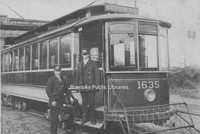
Unidentified streetcar employees pose next to a streetcar. Location unknown.
MP 10.0 Holdren's Service Van

Unidentified service employee of Holdren's stands next to service van at 2272 Westover Avenue.